Why Trust Our Ranking?
Immune support supplements are vitamins, minerals, herbal extracts and probiotics taken by mouth, usually by people who catch every cold going round the office, feel flattened through winter, or eat in a way they know is patchy. The phrase “immune boosting” is marketing rather than physiology. A healthy immune system is not a dial you turn up, and permanently ramping it up is not something anyone would want. What these products can plausibly do is close a gap: vitamin D, zinc, vitamin C and selenium all have defined roles in immune function, and running low on any of them impairs how the body responds to infection. Correcting a shortfall helps. Piling more on top of enough usually does nothing at all.
We rank products on three things: what real users tell us after weeks or months of taking them, how each formula lines up with peer-reviewed research, and how transparent the label is about doses and ingredients. The reviews on this page come from ordinary people who bought and used the products themselves, not from brands. We do not get paid to place a product higher, and we flag thin evidence as openly as any wins. Immune claims are the easiest thing in the supplement aisle to write and the hardest to prove. No product on this page has been shown to prevent influenza, COVID-19 or any other infection, and none replaces vaccination, sleep or medical treatment.
Some situations need a clinician before you buy anything: pregnancy and breastfeeding, autoimmune conditions such as rheumatoid arthritis or lupus, organ transplant, and any course of immunosuppressant or chemotherapy drugs. Products sold as immune stimulants are the wrong idea in those cases. Treat this page as a research starting point, not as medical advice.
iibmed may receive a commission if you purchase through our links. This does not affect our scores or ranking positions. Learn more.
The best Immunity Supplements according to people who tried them

UltraVix
I tried UltraVix as a dietary supplement in capsule form for stiff and overloaded joints. I chose it because of my right knee and morning stiffness after long…
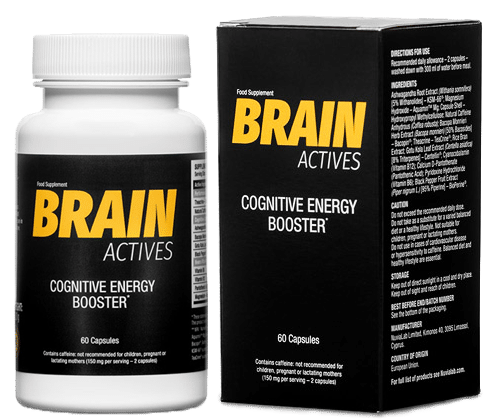
Brain Actives
I tried Brain Actives when my workdays started to feel mentally scattered by mid-afternoon. It is a brain-support supplement with B-complex vitamins, vitamin D, magnesium, zinc, ginkgo biloba…

GenF20 Plus
I tried GenF20 Plus because I had hit a period of flat training progress and low afternoon energy, and I wanted something that might help me feel less…

Restilen
Restilen is a plant-based supplement for stress resilience, mood, and everyday energy. I tried it during a stretch of busy weeks when I felt tense by late afternoon…

Femin Plus
Femin Plus is a women’s libido and arousal supplement in capsule form. I tried it because my sex drive had been flat for months, and I wanted something…

Nuvialab Relax
Nuvialab Relax is a capsule-based food supplement for relaxation, mood, and sleep support. I tried it during a busy stretch when I kept carrying a wired feeling into…

BrainPill
BrainPill is a caffeine-free nootropic supplement for focus, memory, and mental stamina. I tried it because my workdays were getting foggy in the afternoon, and I wanted steadier…

Spirulin Plus
I tried Spirulin Plus as a capsule supplement because I wanted something simple for day-to-day support with digestion, energy, and water retention. It was also described as helping…

Fibre Select
Fibre Select is a dissolvable fibre powder that I mixed into water or food, and I tried it because my digestion had become sluggish and I wanted a…

NuviaLab Immune
I tried NuviaLab Immune during a stretch of busy weeks when I felt run-down and kept waking with a slightly scratchy throat. It is a daily immune-support supplement,…

Tvidler
I used Tvidler as a reusable plastic tool with a spiral tip for removing earwax. I tried it because I felt a blockage in my right ear and…
What reviewers say about Immunity Supplements
| # | Product | Rating | Goal | Evidence |
|---|---|---|---|---|
| 1 | UltraVix | ★★★★½ 4.7 | stiff knee | Medium |
| 2 | Brain Actives | ★★★★½ 4.6 | steady concentration | Medium |
| 3 | GenF20 Plus | ★★★★½ 4.5 | afternoon energy | High |
| 4 | Restilen | ★★★★½ 4.4 | daily stress support | High |
| 5 | Femin Plus | ★★★★☆ 4.3 | low libido | Medium |
| 6 | Nuvialab Relax | ★★★★☆ 4.2 | evening calm | High |
| 7 | BrainPill | ★★★★☆ 4.2 | steadier work focus | Medium |
| 8 | Spirulin Plus | ★★★★☆ 4.1 | energy and digestion | Medium |
| 9 | Fibre Select | ★★★★☆ 4.1 | better digestion | Medium |
| 10 | NuviaLab Immune | ★★★★☆ 4.1 | immune support | Medium |
| 11 | Tvidler | ★★★★☆ 4.1 | cleaner ears | Medium |
How to choose an immune support supplement
Work out what you are actually short of before you shop. Vitamin D is the standout: intake from food is small, skin production drops off through the darker half of the year, and older adults, people with darker skin and anyone who spends the day indoors sit lower on average. A blood test costs less than a year of guessing. If a supplement fixes something that was never broken, the honest expected benefit is zero.
Then read the back of the bottle rather than the front. Look for the dose of each active stated in milligrams or micrograms per serving, and treat a proprietary blend that lists only a combined total as a warning sign, because the studied ingredients can sit in there at token amounts. Multi-ingredient “immune complexes” with fifteen actives are usually fifteen underdoses.
Check the form and the practicalities. Zinc lozenges and zinc capsules are not interchangeable: lozenges are the form studied for shortening a cold already underway, capsules the form used for daily intake. Probiotic effects are strain-specific, so a label naming only the species tells you less than one naming the strain and the count at end of shelf life. Elderberry syrups can carry a fair amount of sugar, worth knowing if you give them to children daily. And allow a fair window: preventive trials here run for whole seasons, not days.
Key ingredients and what the evidence shows
Vitamin D has the most interesting data. A 2021 meta-analysis of 37 randomized controlled trials published in The Lancet Diabetes & Endocrinology found a small but statistically significant protective effect of supplementation against acute respiratory infection. Small is the operative word, and the benefit shows up mainly where deficiency was there to correct. Vitamin C is the most misunderstood. The Cochrane review of regular supplementation, covering 29 trial comparisons and more than 11,000 participants, found no effect on how often people in the general population caught colds. It did find a modest shortening of colds already underway, around 8% in adults and 14% in children, and a halving of risk in one unusual group: people exposed to short bursts of extreme physical or cold stress, such as marathon runners and skiers. Starting it after symptoms appear has not been shown to help.
Zinc is essential for immune cell function and deficiency clearly impairs it, but supplementation for colds remains unsettled. The 2024 Cochrane review rated the certainty of evidence mostly low to very low and concluded that it was insufficient to recommend zinc for preventing or treating the common cold. Selenium follows a similar pattern. NIH summaries link a shortfall to impaired immune function, while supplementation in people who already have enough shows limited benefit: some effect on cell-mediated immunity, little on antibody responses.
Echinacea is the herb people reach for first and the one the evidence supports least. NIH summaries conclude that it might slightly reduce the chance of catching a cold, but has not been shown to shorten one or ease symptoms. Elderberry is thinner still: NCCIH notes that conclusive evidence from high-quality trials is lacking, though a 2019 meta-analysis of four studies reported reduced duration and severity of upper respiratory symptoms.
Probiotics come out better than either. The 2022 Cochrane review found they may be better than placebo at preventing at least one episode of acute upper respiratory tract infection, and are likely beneficial for preventing three or more, on low-certainty evidence. Beta-glucans from yeast or mushrooms have several small trials pointing at fewer or milder symptom days, mostly in people with recurrent infections, but the trials are small and their results inconsistent. Preliminary is the fair word, and nothing here is settled enough to buy on.
Red flags, safety and when to see a doctor
The clearest red flag is a product that names a disease. Any supplement marketed as preventing or treating flu, COVID-19 or “viruses” is making a claim it cannot legally or scientifically support, and regulators on both sides of the Atlantic have acted against exactly that wording. Other markers of a weak product: proprietary blends with no per-ingredient doses, mega-doses framed as strength, “clinically proven” with no study named, and gummies whose actives sit at a fraction of any studied amount.
Safety is not automatic just because a nutrient is essential. Long-term high-dose zinc interferes with copper absorption and can cause a copper deficiency that surfaces as anemia and neurological symptoms, and zinc products used inside the nose have been linked to lasting loss of smell. Selenium has a narrower gap between adequate and excessive than most nutrients, and sustained high intake makes hair and nails brittle enough to shed. Vitamin D accumulates in fat, so repeated high doses can push blood calcium too high. Large doses of vitamin C cause diarrhea and stomach cramps and may raise kidney stone risk in susceptible people. Echinacea belongs to the same plant family as ragweed and daisies and can trigger allergic reactions, occasionally severe.
Two situations call for a conversation before the checkout page rather than after it. Immunosuppressant therapy, whether after a transplant, during chemotherapy or for an autoimmune condition, works by damping immune activity down, so a product sold for the opposite effect pulls against the treatment. Pregnancy and breastfeeding are the other, because herbal immune products carry little safety data in either. The practical step is the same and it is small: take the actual packaging to a pharmacist or your doctor, along with everything else you already take, before the first dose.
Frequent infections are a symptom to investigate, not to supplement. See a doctor for infections that keep returning or never fully clear, a fever above 38 °C lasting more than three days, breathlessness, a cough past three weeks, unexplained weight loss, night sweats, or swollen glands that do not settle.
Frequently Asked Questions about Supplements for Immunity Supplements
Do immune support supplements actually work?
Some do something, for some people, in specific circumstances. The pattern across the research is consistent: correcting a genuine deficiency in a nutrient with an immune role, such as vitamin D or zinc, can improve how the body responds, while adding the same nutrient on top of an already adequate intake generally does not. Probiotics have the better preventive signal in this category, based on the 2022 Cochrane review, though the certainty of that evidence is low.
What none of them do is raise a normally functioning immune system above baseline. If a product promises that, the claim is ahead of the science by a long way.
Can a supplement stop me catching colds or flu?
No supplement has been shown to reliably prevent respiratory infections in healthy adults. The Cochrane review of vitamin C found no reduction in how often people in the general population caught colds, with one exception: participants exposed to short periods of extreme physical or cold stress, such as marathon runners and skiers, roughly halved their risk. Vitamin D supplementation showed a small overall protective effect against acute respiratory infection across 37 trials, concentrated in people who were low to begin with.
These are modest, conditional effects. Nothing on this page substitutes for vaccination, hand hygiene, sleep or medical care, and no supplement should be bought on the basis of protection against a named illness.
Do echinacea and elderberry help with colds?
Less than their popularity suggests. NIH summaries of the echinacea trials conclude it might slightly reduce the chance of catching a cold but has not been shown to shorten one or make symptoms milder, and results vary widely because preparations differ by species, plant part and extraction method. For elderberry, NCCIH notes that conclusive evidence from high-quality clinical trials is lacking, although a 2019 meta-analysis of four studies reported shorter and milder upper respiratory symptoms.
One practical caution: raw unripe elderberries, leaves and stems contain compounds that cause nausea, vomiting and diarrhea, which is why commercial products are cooked. Home-made elderberry preparations are not automatically safe.
Is it safe to take zinc every day?
At the amounts found in ordinary multivitamins and daily supplements, zinc is generally well tolerated. The problems come from high doses taken for long stretches: zinc competes with copper for absorption, and sustained excess can produce copper deficiency, anemia and neurological symptoms that take a while to become obvious. Nausea and a metallic taste are the common short-term complaints, especially with lozenges.
Stay near the dose on the label rather than assuming more is stronger, avoid stacking several products that each contain zinc, and skip zinc products applied inside the nose, which have been associated with lasting loss of smell. If you take antibiotics, zinc can reduce absorption of some of them, so ask a pharmacist about timing.
I have an autoimmune condition. Can I take these?
Ask your specialist before you take anything from this category. Products marketed as immune stimulants, echinacea and several mushroom or beta-glucan extracts among them, are aimed at increasing immune activity, which is the opposite of what treatment for rheumatoid arthritis, lupus, psoriasis, multiple sclerosis or inflammatory bowel disease is trying to achieve. The same applies after a transplant or during chemotherapy.
Correcting a measured nutrient shortfall is a different question and often reasonable, but the need and the dose should come from a blood test and a clinician rather than from a label. Bring the actual packaging to your appointment so the doses can be checked against your prescriptions.
Are the reviews on this page real?
Yes. The product reviews come from people who bought and used the supplements themselves and shared their experience over weeks or months, usually across a whole cold season. We keep critical and mixed feedback alongside the positive, because a page of uniform praise tells you nothing about how a product performs.
User experience carries less weight in this category than in most, and we treat it that way. Whether someone caught fewer colds one winter depends on exposure, sleep, stress and luck, so we weigh the published evidence separately rather than letting testimonials stand in for it.
How We Evaluate Supplements for Immunity Supplements
Each product in this category has been evaluated according to the following fundamental criteria that make up our final score.
Explore Other Categories
References
- Dietary Supplements for Immune Function and Infectious Diseases: Health Professional Fact Sheet - NIH Office of Dietary Supplements
- The Common Cold and Complementary Health Approaches: What the Science Says - NIH NCCIH
- Vitamin C for Preventing and Treating the Common Cold (2013) - Cochrane Database of Systematic Reviews
- Zinc for the Prevention and Treatment of the Common Cold (2024) - Cochrane Database of Systematic Reviews
- Probiotics for Preventing Acute Upper Respiratory Tract Infections (2022) - Cochrane Database of Systematic Reviews
- Vitamin D Supplementation to Prevent Acute Respiratory Infections: A Systematic Review and Meta-Analysis of Aggregate Data From Randomised Controlled Trials (2021) - The Lancet Diabetes & Endocrinology
- Elderberry: Usefulness and Safety - NIH NCCIH
- Scientific Opinion on the Substantiation of a Health Claim Related to Zinc and Normal Function of the Immune System (2014) - EFSA Panel on Dietetic Products, Nutrition and Allergies
- Selenium: Health Professional Fact Sheet - NIH Office of Dietary Supplements
Find the Ideal Supplement for You
Our independent ranking helps you compare the best available supplements. Always remember to consult your doctor before starting any supplement.
View full ranking