Why Trust Our Ranking?
Most men who look at prostate supplements have noticed urinary changes that come with age: a weaker stream, getting up to urinate at night, trouble starting or a feeling that the bladder never fully empties. Those symptoms usually point to benign prostatic hyperplasia, an enlarged but non-cancerous prostate, and that is what nearly every “prostate health” supplement targets. The honest starting point is that the evidence is weak. For saw palmetto, the most popular ingredient, large NIH-funded trials and a Cochrane review found it works no better than a placebo for these symptoms, so the marketing runs well ahead of the science. A few other ingredients show modest signals in small studies, and this ranking exists to separate that from the hype.
We rank products on three things: what real users tell us after weeks or months of taking them, how each formula lines up with peer-reviewed research, and how transparent the label is about doses and ingredients. The reviews on this page come from ordinary men who actually bought and used the products, not from brands. We do not get paid to place a product higher, and we flag weak evidence and safety risks as openly as any wins. One caution matters above all here. The word “prostatitis” also covers bacterial infection of the prostate, which needs antibiotics from a doctor, not a supplement, and urinary symptoms can occasionally overlap with prostate cancer. No supplement on this page treats an infection or rules out anything serious. Treat the page as a research starting point, and get any new or persistent prostate symptom checked by a doctor rather than self-treating it.
iibmed may receive a commission if you purchase through our links. This does not affect our scores or ranking positions. Learn more.
The best Getting rid of prostatitis according to people who tried them

Weiprost
Weiprost is a dietary supplement in capsule form that I took to support my prostate and improve comfort during urination. I chose it because I was waking up…

Uro Up Forte
I took Uro Up Forte as a dietary supplement in tablet form to support my prostate and make urination more comfortable. I chose it because I had been…

Urostal
Urostal is a dietary supplement in capsule form for urinary comfort and prostate function support. I tried it because of my frequent nighttime awakenings and slight urgency when…

Bluestone
Bluestone was a drop preparation in a small bottle for me, which I used as a support for mild men's issues. I tried it because I had been…
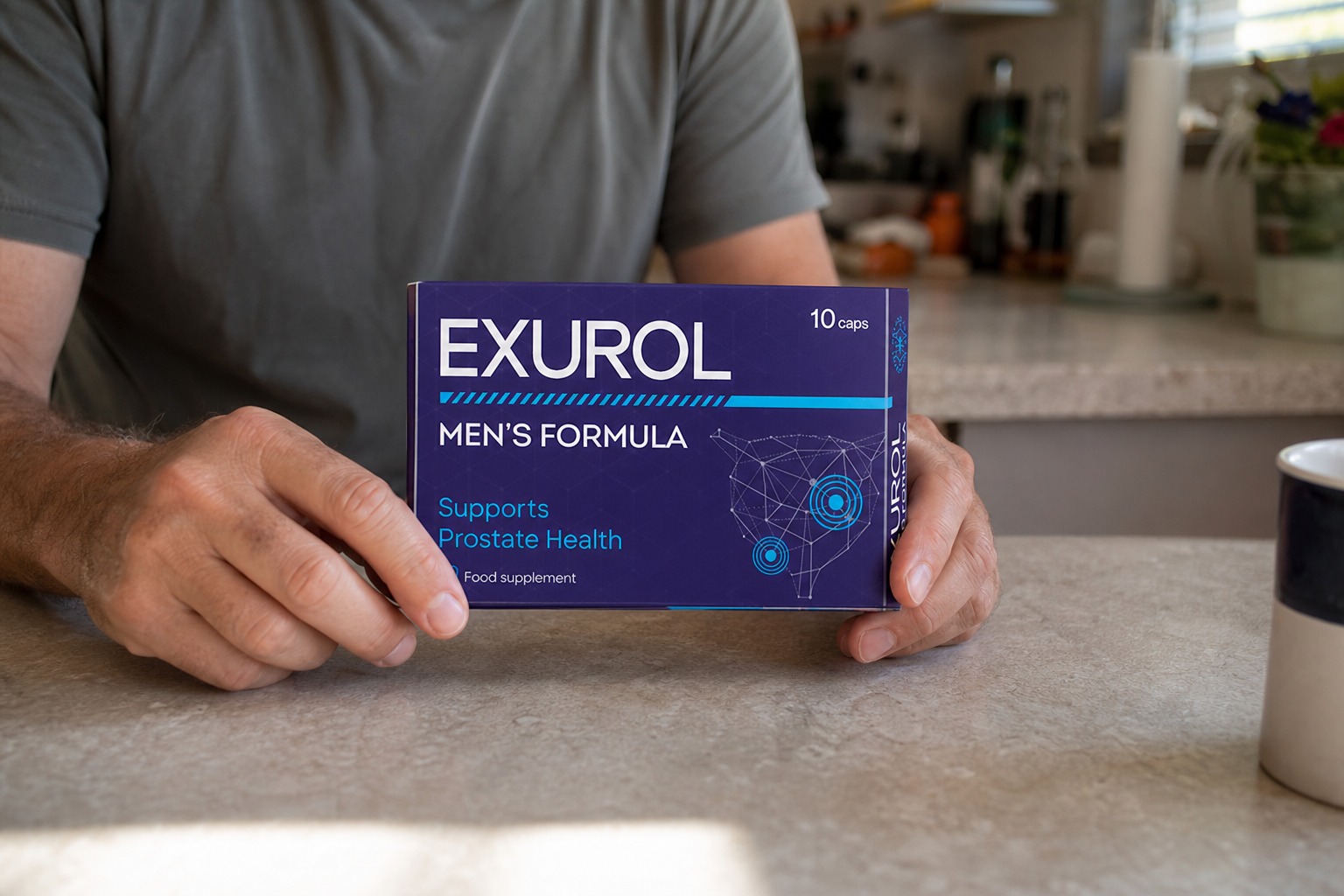
Exurol
I tried Exurol as a capsule dietary supplement to support prostate health and urinary comfort. I started using it because I was bothered by frequent urination and a…

Prostovit
Prostovit is a 30 ml liquid food supplement in drops for prostate and urinary support. I tried it after I started waking more often to use the toilet,…

Erisil Plus
I tried Erisil Plus because I had a stretch of low libido and inconsistent erections that seemed tied more to stress and tiredness than anything serious. It is…

Adenofrin
Adenofrin is a dietary supplement that claims to support male sexual function, libido, and endurance. I haven't taken it, so this review is based on what I saw…

Prostatricum
Prostatricum is a dietary supplement in capsule form containing plant extracts, lycopene, and zinc. I tried it because I was frequently disturbed by the urge to urinate in…

Revitaprost
Revitaprost is a dietary supplement in capsule form intended for men who want to support prostate health. I considered it due to more frequent nighttime urination and a…

Urixen
I tried the Urixen dietary supplement for men in capsule form because I had been experiencing a more frequent urge to urinate at night for a while, and…
What reviewers say about Getting rid of prostatitis
| # | Product | Rating | Goal | Evidence |
|---|---|---|---|---|
| 1 | Weiprost | ★★★★½ 4.6 | nighttime awakenings | Medium |
| 2 | Uro Up Forte | ★★★★☆ 4.3 | frequent urination | High |
| 3 | Urostal | ★★★★☆ 4.2 | nighttime awakenings | High |
| 4 | Bluestone | ★★★★☆ 4.2 | urinate less at night | Medium |
| 5 | Exurol | ★★★★☆ 4.1 | urinary comfort | Medium |
| 6 | Prostovit | ★★★★☆ 4.1 | night-time urination | High |
| 7 | Erisil Plus | ★★★★☆ 4 | low libido | Medium |
| 8 | Adenofrin | ★★★★☆ 4 | libido and endurance | Medium |
| 9 | Prostatricum | ★★★★☆ 4 | nighttime urgency | High |
| 10 | Revitaprost | ★★★★☆ 4 | prostate issues | Medium |
| 11 | Urixen | ★★★★☆ 4 | evening urge to urinate | High |
How to choose a prostate supplement
Before choosing anything, be clear about what you are treating. Prostate supplements are aimed at the urinary symptoms of an enlarged prostate, not at infection or cancer, and only a doctor can tell those apart. Once that is settled, read the label, not the front of the bottle, and look for products that state the dose of each active ingredient in milligrams rather than hiding them in a proprietary blend. A blend listed only as a single combined weight is a red flag, because the studied ingredients may be present in token amounts far below the doses used in trials.
Favor single, well-studied ingredients at doses close to those used in research over long blends of trace amounts, and match the formula to the symptom you actually have. Set your expectations low: even the better-studied ingredients tend to produce only modest changes over weeks, and the most popular one, saw palmetto, failed to beat placebo in the strongest trials. Give any product a fair window of one to three months and judge it by your symptoms rather than how you hope it works. If nothing changes, or if symptoms get worse, that is a reason to see a doctor, not to keep buying pills.
Key ingredients and what the evidence shows
Saw palmetto (Serenoa repens) is by far the most common prostate ingredient, and it has the strongest evidence against it. The NIH-funded CAMUS trial tested it at up to 960 mg a day, three times the usual dose, and found no benefit over placebo for urinary symptoms, and a Cochrane review of dozens of trials reached the same conclusion. That trial also found saw palmetto did not change PSA (prostate-specific antigen) readings. Beta-sitosterol, a plant sterol, looks more promising: a Cochrane review found it improved urinary symptom scores and flow, though that conclusion rests on older, short-term trials and its long-term effect is unknown. Pygeum africanum (African plum bark) has a similar story, with a review reporting moderate symptom relief but on small, short, varied trials.
Stinging nettle root appears in many formulas, often alongside saw palmetto, but the evidence on its own is limited and inconsistent. Zinc is essential for normal prostate function, yet there is no good evidence that taking extra helps urinary symptoms, and high doses cause their own problems; some studies have even linked high zinc intake to a raised risk of prostate cancer, so more is not better. Lycopene, the pigment in tomatoes, is studied more for prostate cancer risk than for urinary symptoms, with mixed results. Pumpkin seed oil has a handful of small trials suggesting minor symptom relief. Taken together, the evidence here ranges from limited to moderate at best, the best-selling ingredient fails to beat placebo, and where any benefit exists it tends to be small and inconsistent from one man to the next.
Safety, red flags and when to see a doctor
The biggest risk with prostate supplements is not a side effect, it is what they can hide. Urinary symptoms need to be diagnosed, because an enlarged prostate, a prostate infection and, more rarely, prostate cancer can feel similar from the outside. Taking a supplement instead of getting checked can delay a diagnosis that matters. Bacterial prostatitis is a clear example: it is an infection treated with antibiotics from a doctor, and no supplement clears it. Some signs call for prompt medical attention rather than a pill, including blood in the urine or semen, inability to pass urine, fever with pelvic or genital pain, severe pain, or unexplained weight loss. Do not wait those out.
On interactions, saw palmetto may have a mild blood-thinning effect, so tell your doctor if you take anticoagulants or are scheduled for surgery, and stop it beforehand if advised. There is also a screening point worth raising. Saw palmetto itself did not alter PSA in trials, but because some prostate supplements are sold as undisclosed blends and PSA is central to prostate cancer screening, tell your doctor about everything you take before a PSA test so the result is read correctly. Above all, a supplement is never a substitute for having a prostate symptom properly diagnosed.
Frequently Asked Questions about Supplements for Getting rid of prostatitis
Do prostate supplements actually work?
For most of them, the evidence is weak. The most popular ingredient, saw palmetto, failed to beat placebo for urinary symptoms in large NIH-funded trials and a Cochrane review. A few others show modest signals in small studies: beta-sitosterol and pygeum improved symptom scores in short trials, while stinging nettle, zinc and lycopene have weak or mixed data. Any benefit tends to be small and varies between men. These supplements may offer minor support for the urinary symptoms of an enlarged prostate; they do not treat infection or anything serious.
Can a supplement treat prostatitis or replace antibiotics?
No. "Prostatitis" includes bacterial infection of the prostate, which is treated with antibiotics prescribed and supervised by a doctor. No supplement clears an infection, and using one instead of proper treatment can let the infection worsen. Most prostate supplements are aimed at the urinary symptoms of a non-cancerous enlarged prostate, which is a different problem from an infection. If you have pain, fever or other signs of infection, see a doctor rather than reaching for a supplement.
Does saw palmetto shrink the prostate or help BPH symptoms?
The strongest research says no. The NIH-funded CAMUS trial gave men saw palmetto at up to 960 mg a day, well above the usual dose, and found no improvement in urinary symptoms over placebo, and a Cochrane review of many trials agreed. Earlier, smaller studies were more positive, which is partly why it became so popular, but the larger, better-designed trials did not hold up. It is widely used and generally well tolerated, so some men still try it, but you should not expect it to shrink the prostate or reliably ease symptoms.
How long before I notice a difference?
Longer than the marketing suggests, if at all. The studied ingredients work gradually, so most trials that found any benefit ran for several weeks to a few months. A fair window is one to three months of consistent use. If your symptoms have not changed by then, the supplement is unlikely to be doing much. A persistent or worsening urinary problem is a reason to see a doctor and get it diagnosed, not to keep switching products in the hope one works.
Are these supplements safe, and do they affect PSA tests?
Most are reasonably well tolerated, but a few points matter. Saw palmetto may have a mild blood-thinning effect, so mention it if you take anticoagulants or are due for surgery. Zinc is only helpful if you are deficient and causes problems in high doses. The practical screening tip is simple: before a PSA (prostate-specific antigen) test, give your doctor a full list of every supplement you are taking, including the exact products. Saw palmetto on its own did not move PSA in trials, but many prostate formulas are sold as blends that do not fully disclose what is inside, so your doctor needs the complete picture to judge the result.
Are the reviews on this page real?
Yes. The product reviews come from men who bought and used the supplements themselves and shared their experience over weeks or months. We keep a mix of positive and critical feedback rather than only flattering comments, because that gives a more accurate picture of how a product performs in everyday use. User experience is not a substitute for medical advice or for the published evidence, which we weigh separately, and it cannot diagnose what is causing a prostate or urinary symptom.
How We Evaluate Supplements for Getting rid of prostatitis
Each product in this category has been evaluated according to the following fundamental criteria that make up our final score.
Explore Other Categories
References
- Saw Palmetto: Usefulness and Safety - NIH NCCIH
- Benign Prostatic Hyperplasia and Complementary and Integrative Approaches: What the Science Says - NIH NCCIH
- Effect of Increasing Doses of Saw Palmetto Extract on Lower Urinary Tract Symptoms: A Randomized Trial (CAMUS, Barry et al., JAMA 2011) - PMC
- Serenoa repens for benign prostatic hyperplasia (Tacklind et al., 2012) - Cochrane Library
- Beta-sitosterols for benign prostatic hyperplasia (Wilt et al.) - Cochrane Library
- Pygeum africanum (Prunus africana) for benign prostatic hyperplasia - Cochrane Library
- Prostatitis: Inflammation of the Prostate - NIH NIDDK
- Zinc: Health Professional Fact Sheet - NIH Office of Dietary Supplements
Find the Ideal Supplement for You
Our independent ranking helps you compare the best available supplements. Always remember to consult your doctor before starting any supplement.
View full ranking