Why Trust Our Ranking?
This category covers what you can buy for psoriasis without a prescription: scale-lifting creams, medicated shampoos, heavy emollients, low-strength hydrocortisone and oral supplements used alongside whatever a dermatologist has prescribed. Psoriasis is a chronic immune-mediated disease, not dry skin that got out of hand, and nothing sold over the counter cures it: psoriasis is managed, not cured. Salicylic acid and coal tar are the two actives the FDA recognizes for over-the-counter psoriasis treatment, according to the National Psoriasis Foundation, and their jobs are narrow: lifting scale and slowing the overfast turnover of skin cells. Emollients hold moisture in. None of it reaches the immune process underneath, and none of it replaces prescription topicals, light therapy or systemic medication once the disease is more than mild.
We rank products on three things: what real users report after weeks or months, how the formula lines up with peer-reviewed research and guideline advice, and how transparent the label is about actives and strengths. The reviews come from people who bought and used the products, not from brands, and we are not paid to place a product higher. One point outranks the rest. Plaques over a large area, disease that keeps spreading, involvement of the scalp, nails, face or genitals, or joints that ache and stiffen in the morning all mean a dermatologist appointment rather than a shopping decision. Psoriatic arthritis can damage joints permanently. This page is a research starting point, not a treatment plan.
iibmed may receive a commission if you purchase through our links. This does not affect our scores or ranking positions. Learn more.
The best Supplements for getting rid of psoriasis according to people who tried them

Yenki Derm
I tried Yenki Derm because the dry, itchy patches on my elbows and lower legs were getting hard to ignore. It is a face and body cream for…
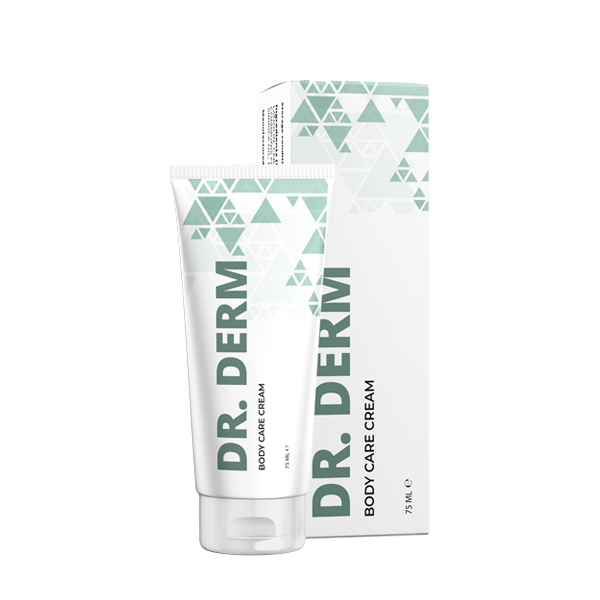
Dr. Derm
Dr. Derm is a body cream in a tube that I used as supportive care for irritated and flaky skin. I tried it when I was experiencing patches…
What reviewers say about Supplements for getting rid of psoriasis
| # | Product | Rating | Goal | Evidence |
|---|---|---|---|---|
| 1 | Yenki Derm | ★★★★½ 4.7 | itchy dry skin | High |
| 2 | Dr. Derm | ★★★★½ 4.5 | soothe skin itching | High |
Choosing by where the psoriasis is
Plaques on elbows, knees, shins and trunk are what most over-the-counter products are built for: thick, silvery, stubbornly attached scale. Two jobs, in order. Soften and lift the scale, which is salicylic acid and higher-strength urea, then keep the skin hydrated so it cracks and itches less. The order matters, because scale is a physical barrier and a prescription cream spread over a thick plaque reaches less of the skin that needs it. On texture, the American Academy of Dermatology tells patients to pick a heavy cream, ointment or oil over a lotion.
Scalp psoriasis usually fails on contact time rather than product choice. A medicated shampoo rinsed off in twenty seconds has done nothing; the dwell time on the label is the treatment, and the active has to reach scalp skin rather than hair. Oils or gels left overnight under a cap soften stuck scale so it combs out instead of being picked off, which tears skin and can seed new plaques. Tar preparations also smell, stain towels and baths, and can discolor blonde, gray or chemically treated hair.
Skin folds reverse the usual advice. Inverse psoriasis under the breasts, in the groin, armpits or buttock cleft is smooth, shiny and red with almost no scale, and scale lifters and tar only sting and macerate it. Skin in folds is thin and absorbs far more of what goes on it, which is why the joint AAD-NPF guideline on topical therapy treats intertriginous areas separately from ordinary plaques and steers away from potent steroids there. Bland emollients, keeping the area dry, and a doctor’s opinion. Face, nails and genital skin belong in the same bracket.
Key ingredients and what the evidence shows
Salicylic acid is a keratolytic, a scale lifter. The National Psoriasis Foundation describes the role plainly: it softens and helps remove psoriasis scale. That is the whole mechanism, so it flattens plaques rather than making them go. It also does not layer well with every prescription topical, so ask a pharmacist before putting it under something a dermatologist gave you. Coal tar is the other FDA-recognized non-prescription active: it slows rapid skin-cell growth and eases inflammation, itching and scaling, and it is one of the oldest treatments still in routine use.
Emollients and urea are the dull part of the routine and the part with the steadiest returns. Used every day rather than only during a flare, a plain emollient keeps skin supple, eases itch and makes plaques less likely to crack and bleed. Urea draws water into skin and, at higher strengths, helps break down thick scale. Low-strength hydrocortisone can settle a small itchy patch, but keep it in proportion: the 2016 Cochrane review of scalp psoriasis found that what clears scalp disease short term is a high or very high potency steroid, or a steroid combined with a vitamin D analogue, all prescription-only, and it reported limited evidence on salicylic acid, tar and dithranol.
Oral supplements need the firmest expectations. The National Psoriasis Foundation medical board’s 2018 review in JAMA Dermatology made one strong recommendation: weight reduction with a hypocaloric diet in overweight and obese patients. It weakly recommended vitamin D for psoriatic arthritis rather than skin psoriasis alone, and did not recommend oral fish oil. A 2025 network meta-analysis in Frontiers in Nutrition pooled 21 randomized trials in 1,463 patients and found vitamin D lowered PASI severity scores, while curcumin shifted an inflammatory marker rather than a clinical outcome; certainty was low to moderate. The 2019 Cochrane lifestyle review agrees from another angle: in obese participants a low-calorie diet may reduce severity, and diet combined with exercise probably improves quality of life and lowers BMI.
Safety, red flags and when to see a doctor
Coal tar makes skin more sensitive to ultraviolet light, so ordinary sun can burn you while you use it, and a burn works against you twice: the AAD warns that even a mild sunburn can worsen existing psoriasis and trigger new patches. Cover treated skin, and do not add tanning-bed sessions without a doctor’s sign-off. Over-the-counter hydrocortisone labeling sets its own limit, telling you to stop and ask a doctor if the condition persists more than seven days, because prolonged steroid use thins skin and can leave stretch marks, fastest on the face and in folds; stopping abruptly after long use can also provoke a rebound flare. Salicylic acid is absorbed through the skin, so spreading it over large areas day after day deserves a word with a pharmacist, especially for children.
On the supplement side, vitamin D is fat-soluble and accumulates, and too much raises blood calcium, so follow the label rather than assuming more works faster. High-dose fish oil can affect bleeding, which matters on anticoagulants or before surgery, and concentrated curcumin extracts interact with several medicines. Many people with psoriasis take methotrexate, cyclosporine or a biologic, and those need an explicit interaction check. Never pause a prescribed treatment to give a supplement a fair trial.
Some situations call for a doctor, not another product. Seek urgent care for widespread redness over most of the body with fever or chills, or a sudden crop of pustules, both recognized emergencies in psoriasis. Book an appointment for plaques that keep spreading despite treatment, for scalp, nail, facial or genital involvement, for skin that cracks or bleeds, and for any joint that is swollen, tender or stiff each morning. NICE recommends screening adults with psoriasis for psoriatic arthritis using a validated tool, and early diagnosis is what protects joints.
Frequently Asked Questions about Supplements for Supplements for getting rid of psoriasis
Can over-the-counter creams or supplements cure psoriasis?
No. Psoriasis is a chronic immune-mediated condition, and dermatology guidance is consistent that it cannot be cured, only managed. Any product promising permanent clearance claims more than prescription treatment does. What good non-prescription products deliver is symptom control: less scale, less itch, softer skin, plaques less prone to cracking. Long quiet stretches followed by a flare are the nature of the disease, not proof a product failed.
What can I buy without a prescription that helps scalp psoriasis?
Coal tar and salicylic acid shampoos are the mainstays, and technique decides whether they do anything. Leave the shampoo on for the dwell time printed on the label instead of rinsing straight away, and work it onto scalp skin rather than through hair. Set expectations honestly: the 2016 Cochrane review found that what clears scalp psoriasis short term is a potent topical steroid or a steroid plus vitamin D combination, both prescription-only, with limited evidence on tar and salicylic acid.
Do vitamin D, omega-3 or turmeric supplements help psoriasis?
Modestly at best. A 2025 network meta-analysis in Frontiers in Nutrition covering 21 randomized trials found oral vitamin D reduced PASI severity scores, with certainty rated low to moderate, while curcumin mainly moved an inflammatory lab marker rather than a skin outcome. The National Psoriasis Foundation medical board’s 2018 review weakly recommended vitamin D for psoriatic arthritis, not for skin psoriasis alone, and did not recommend oral fish oil. Weight reduction has better support than any capsule.
Is coal tar safe, and why the warning about sunlight?
Coal tar has been used in psoriasis for decades and remains an FDA-recognized over-the-counter active. The sunlight warning is about photosensitivity: tar makes skin burn more easily under ultraviolet light, and the AAD notes that even a mild sunburn can worsen existing patches and provoke new ones. Keep treated skin covered outdoors. The remaining drawbacks are cosmetic: smell, staining of fabric and bath surfaces, discoloration of light hair.
How long can I use over-the-counter hydrocortisone on a plaque?
Only as long as the label allows: over-the-counter hydrocortisone labeling tells you to stop and ask a doctor if the condition persists more than seven days, so it is a short course rather than a routine. Topical steroids thin the skin over time and can cause stretch marks, and the risk rises on the face, in folds and over larger areas. The joint AAD-NPF guideline on topical therapy allows steroid use beyond 12 weeks only under careful physician supervision. A patch that needs steroid week after week needs a dermatologist, not a bigger tube.
Are the reviews on this page real?
Yes. They come from people who bought and used the products and reported back after weeks or months, the timescale on which psoriasis routines are judged. We keep critical and mixed feedback alongside positive reports, because what soothes one person’s plaques irritates another’s. Personal experience is not evidence of effectiveness, which we weigh separately, and no user report can tell you whether a patch is psoriasis, eczema or a fungal infection.
How We Evaluate Supplements for Supplements for getting rid of psoriasis
Each product in this category has been evaluated according to the following fundamental criteria that make up our final score.
Explore Other Categories
References
- What psoriasis treatments are available without a prescription? - American Academy of Dermatology
- Are triggers causing your psoriasis flare-ups? - American Academy of Dermatology
- Joint AAD-NPF Guidelines of Care for the Management and Treatment of Psoriasis With Topical Therapy and Alternative Medicine Modalities (Elmets et al., 2021) - Journal of the American Academy of Dermatology
- Psoriasis and Psoriatic Arthritis OTC Topicals - National Psoriasis Foundation
- Psoriasis: Assessment and Management, Clinical Guideline CG153 (2012, updated 2017) - NICE
- Topical Treatments for Scalp Psoriasis: Cochrane Systematic Review (Schlager et al., 2016) - Cochrane Library
- Lifestyle Changes for Treating Psoriasis: Cochrane Systematic Review (Ko et al., 2019) - Cochrane Library
- Dietary Recommendations for Adults With Psoriasis or Psoriatic Arthritis From the Medical Board of the National Psoriasis Foundation: A Systematic Review (Ford et al., 2018) - JAMA Dermatology
- Effectiveness and Safety of Dietary Supplements in the Adjunctive Treatment of Psoriasis: A Systematic Review and Network Meta-Analysis (2025) - Frontiers in Nutrition
Find the Ideal Supplement for You
Our independent ranking helps you compare the best available supplements. Always remember to consult your doctor before starting any supplement.
View full ranking