Why Trust Our Ranking?
Heart supplements are products taken by mouth that aim to support blood pressure, cholesterol, triglycerides or general cardiovascular function. Most people who look at them are in one of two situations: a routine blood test came back with borderline numbers, or a doctor already started them on medication and they want to do something extra. The honest framing is that these products sit at the edges of heart health. Diet, weight, movement, blood pressure control, not smoking and prescribed treatment do the heavy lifting. A supplement adds a small effect at best, and for omega-3 in the general population the largest trials found little or no effect on deaths and cardiovascular events. This ranking exists to show which is which.
We rank products on three things: what real users tell us after weeks or months of taking them, how each formula lines up with peer-reviewed research, and how transparent the label is about doses and ingredients. The reviews on this page come from ordinary people who bought and used the products themselves, not from brands. We are not paid to place a product higher, and we flag weak evidence and drug interactions as openly as any wins. That last point carries more weight in this category than in most, because the people most interested in heart supplements are often already taking anticoagulants (blood thinners), statins or blood pressure drugs, and between them these ingredients interact with all three. Treat this page as a research starting point, not medical advice. Never stop, reduce or replace a prescribed heart medicine because of something you read here; talk to your doctor or pharmacist first.
iibmed may receive a commission if you purchase through our links. This does not affect our scores or ranking positions. Learn more.
The best Heart problems according to people who tried them

Herzena
Herzena is a dietary supplement that is marketed as support for the heart, circulation, and vitality. I was intrigued by the promises of vitamins, minerals, and plant extracts…

Lipid Control Plus
I tried Lipid Control Plus after a routine blood test showed that I needed to take my cholesterol more seriously. It is a capsule supplement meant to support…
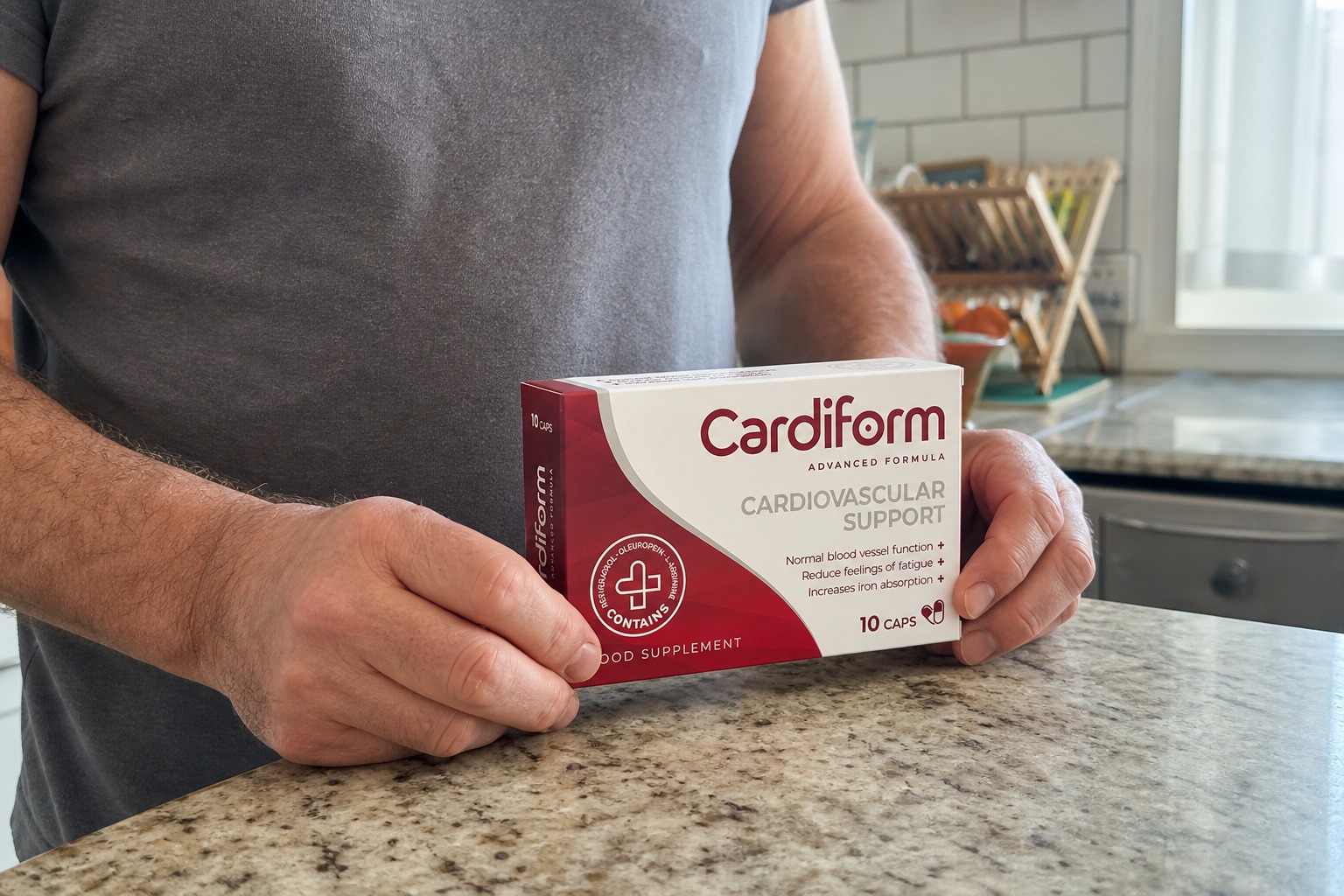
Cardiform
Cardiform is a dietary supplement for cardiovascular support in the form of capsules, and I tried it because I had borderline high blood pressure and heaviness in my…

Optiheart
I used Optiheart as an over-the-counter supplement to support circulation and normal blood pressure. I chose it because my home measurements often showed pressure at the higher end,…
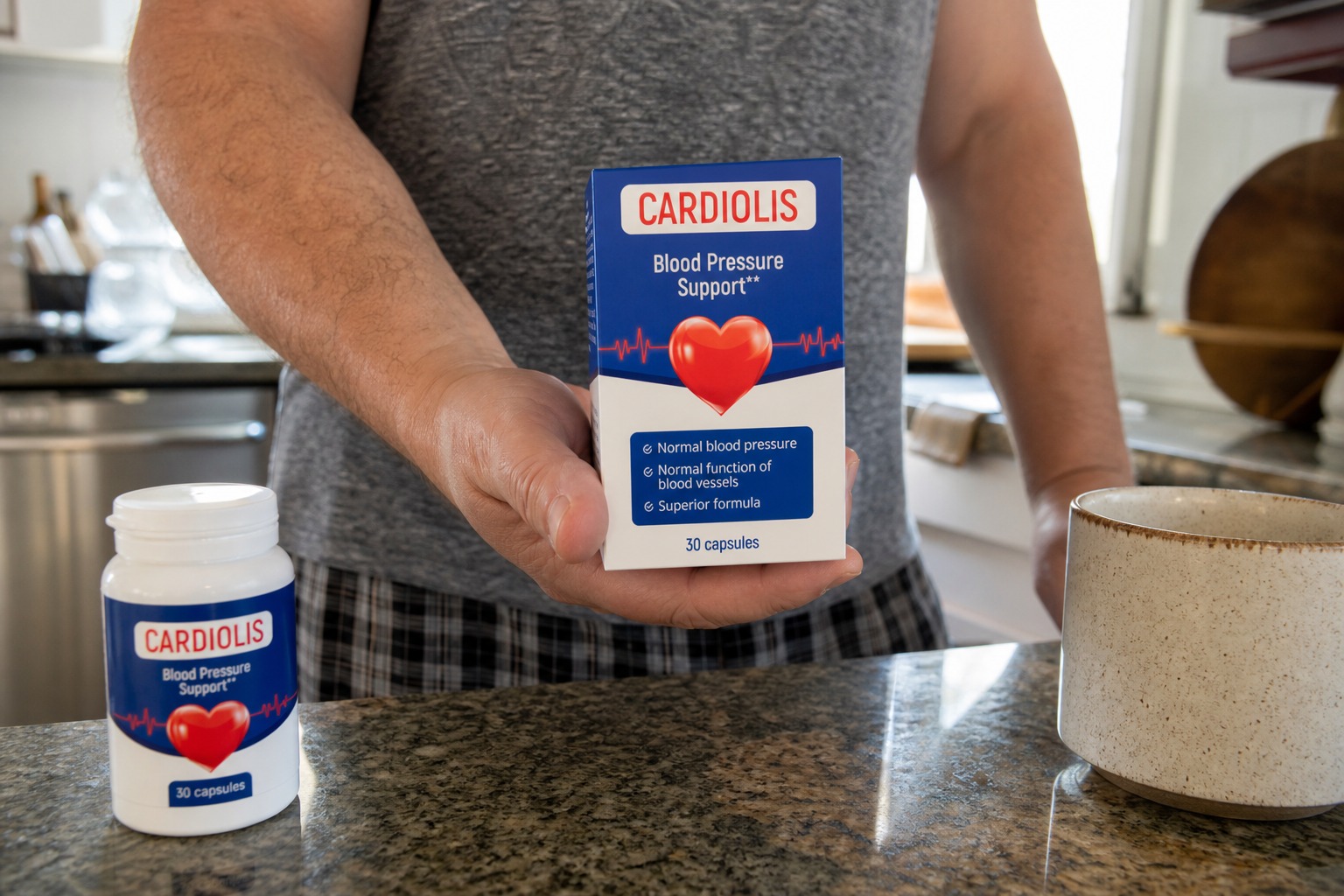
Cardiolis
Cardiolis is a dietary supplement in capsule form that supports blood pressure and blood vessel function. I tried it because I had periods of higher values and evening…

Kardivix
I tried Kardivix as a capsule-based food supplement for cardiovascular support while I was paying more attention to my heart health. I wanted something simple that fit into…
What reviewers say about Heart problems
| # | Product | Rating | Goal | Evidence |
|---|---|---|---|---|
| 1 | Herzena | ★★★★½ 4.5 | heart support | High |
| 2 | Lipid Control Plus | ★★★★½ 4.4 | cholesterol control | Medium |
| 3 | Cardiform | ★★★★½ 4.4 | more stable blood pressure | Medium |
| 4 | Optiheart | ★★★★☆ 4.3 | lower blood pressure | Medium |
| 5 | Cardiolis | ★★★★☆ 4.2 | blood pressure | High |
| 6 | Kardivix | ★★★★☆ 4.1 | heart health | Medium |
How to choose a heart supplement
Decide what you are actually targeting before you shop. “Heart support” on a label covers at least four different jobs: lowering LDL cholesterol, lowering triglycerides, nudging blood pressure down, or supporting the heart muscle in diagnosed heart failure. The ingredients that have data for one of those often have nothing for the others. If your last blood panel flagged LDL, a plant sterol product and an omega-3 capsule are not interchangeable choices.
Then read the label rather than the front of the bottle. Look for the dose of each active in milligrams per serving, and check that the serving is realistic. Some cardiovascular blends state a large total and hide per-ingredient amounts inside a proprietary complex, which usually means the studied ingredients are present in token quantities. For fish oil, the number that matters is combined EPA and DHA content, not the size of the capsule; a 1,000 mg softgel can contain 300 mg of actual omega-3.
Favour one or two well-dosed, well-studied ingredients over a long list of trace amounts, and give the product a fair window. Cholesterol responses to plant sterols show up within a few weeks, while blood pressure and lipid changes from other ingredients are usually measured over two to three months in trials. Keep testing what you can measure: a repeat lipid panel or a home blood pressure log tells you more than how you feel.
Key ingredients and what the evidence shows
Omega-3 (EPA and DHA) is the most studied ingredient here and the most argued about. The FDA permits a qualified claim that supportive but not conclusive research shows EPA and DHA may reduce the risk of coronary heart disease. NIH’s Office of Dietary Supplements describes that evidence as stronger for people who already have coronary heart disease than for everyone else. A 2020 Cochrane review pointed the other way for the wider population: increasing long-chain omega-3 made little or no difference to overall mortality or cardiovascular events, although it did lower triglycerides. Read together, that suggests a modest benefit in some higher-risk groups and little reason for a healthy person to expect protection from a capsule.
CoQ10 is the second big name. A 2021 Cochrane review of CoQ10 in heart failure concluded that it probably reduces all-cause mortality and hospital admissions for heart failure, rating those two findings moderate-certainty evidence. Certainty for other outcomes in the same review was lower, and the authors still called for larger, better-designed trials. CoQ10 is also marketed to people on statins, since statins lower the body’s own CoQ10 production, but trials on statin-associated muscle symptoms are mixed and it should not be treated as a reliable fix for them.
Magnesium and potassium do something narrower and better defined: blood pressure. NIH’s Office of Dietary Supplements cites meta-analyses of randomized trials in which potassium supplementation lowered blood pressure, with the largest effect in people who had hypertension and high sodium intakes. Its separate magnesium fact sheet reports smaller blood pressure reductions from magnesium supplementation. Potassium is the one with a hard limit: supplements are genuinely risky for anyone with reduced kidney function, or taking ACE inhibitors or ARBs (two common families of blood pressure medicine) or potassium-sparing diuretics, because excess potassium can disturb heart rhythm. Food sources are the safer route for most people.
Plant sterols and stanols have the cleanest cholesterol data in this category. NCCIH states that supplements containing plant stanols or sterols, taken with meals, can reduce cholesterol levels. EFSA’s scientific opinion on plant sterols and stanols found blood cholesterol fell on average by roughly 7 to 10.5 percent at intakes of 1.5 to 2.4 g per day, with the effect appearing within two to three weeks. Garlic may lower cholesterol modestly, though NCCIH notes such effects are small next to cholesterol-lowering medicines. Hawthorn is a traditional heart remedy studied mainly in chronic heart failure. The Cochrane review of that evidence pooled small trials, most of them published in the 1990s and 2000s, and treated hawthorn as an add-on to standard heart failure treatment rather than a replacement for it. Red yeast rice is the odd one out: its active compound monacolin K is chemically identical to the drug lovastatin, so it can produce statin-like side effects and interactions. Label amounts are frequently unstated, and some products have been found contaminated with citrinin.
Safety, interactions and red flags
This is the category where interactions matter most, because the target audience is often already medicated. High-dose omega-3 can affect bleeding and needs a conversation with your doctor if you take warfarin, a direct oral anticoagulant or antiplatelet therapy, or if surgery is coming up. CoQ10 has been reported to reduce the effect of warfarin. Some prescribers handle that with closer INR monitoring, the blood test that shows how fast your blood clots, rather than stopping the supplement, but that is a decision for the doctor who prescribed the warfarin and not a self-directed one. Potassium is unsafe to supplement freely alongside ACE inhibitors, ARBs, spironolactone or impaired kidney function. Garlic in supplement doses may add to blood thinning and interacts with some medicines. Red yeast rice should not be combined with a statin, and anyone who stopped a statin because of side effects should not quietly substitute it without telling their prescriber.
Two red flags are worth naming. The first is any product promising to unclog arteries, replace medication or reverse heart disease; those claims are not supported and, taken seriously, they delay real treatment. The second is dosing by enthusiasm. The trials that showed benefit used specific amounts, and more is not better; excess potassium and very high omega-3 intakes both carry their own risks.
Some symptoms call for medical care, not a supplement. Chest pain or pressure, pain spreading to the arm, jaw or back, sudden breathlessness, fainting, a new irregular or racing heartbeat, or swelling in the legs that appeared over days all need assessment. Blood pressure readings that stay high, or cholesterol that a doctor has flagged as high risk, are also situations where a supplement is an add-on at best. Show your full list of supplements and prescriptions to a pharmacist or doctor before starting anything new.
Frequently Asked Questions about Supplements for Heart problems
Do heart supplements actually work?
Some do a specific, measurable job, and most do less than the marketing implies. Plant sterols and stanols reliably lower LDL cholesterol by a few percent at the doses EFSA assessed, and potassium and magnesium can shave a small amount off blood pressure, especially in people whose blood pressure is already raised. For broad protection against heart attacks and strokes, the picture is weaker: a 2020 Cochrane review found little or no effect of omega-3 supplementation on overall mortality or cardiovascular events in the general population.
The practical read is that a supplement may support a number on a blood test, while diet, weight, activity, blood pressure control and prescribed treatment do far more for actual risk. None of these products treats heart disease.
Can a supplement replace my statin or blood pressure medication?
No, and stopping either on your own is one of the more dangerous things you can do in this category. NCCIH is explicit that supplement effects on cholesterol are small compared with cholesterol-lowering medicines. Red yeast rice looks like the exception, but it works through the same chemistry as a statin and carries the same risks, so it is a substitution in name only.
If you want to reduce or come off medication, that is a conversation with the doctor who prescribed it, ideally with follow-up bloodwork and blood pressure readings to show whether anything changed.
Is red yeast rice a safe alternative to a statin?
It is not a gentler, natural version of one, because it is essentially the same chemistry. NCCIH notes that its active compound, monacolin K, is chemically identical to the prescription drug lovastatin, so red yeast rice can cause statin-like side effects and the same drug interactions. It should not be taken alongside a statin, and it is not a quiet way to come off one.
The label is the second problem. How much monacolin K a product actually contains is frequently unstated and varies between products, and some have been found contaminated with citrinin. If cholesterol is the reason you are looking at it, say so to your doctor and judge the result by a repeat lipid panel rather than by guesswork.
Does CoQ10 help with statin muscle pain?
The idea is reasonable and the results are mixed. Statins lower the body’s own production of CoQ10, which is why the supplement is so often suggested for muscle aches, but the trials testing it for statin-associated muscle symptoms have not produced a consistent answer. Some people report improvement, and a fair number of muscle complaints on statins turn out to have other causes.
CoQ10 is generally well tolerated, so a supervised trial of it is not unreasonable. Tell your doctor rather than switching or stopping the statin, and note that CoQ10 has been reported to reduce warfarin’s effect if you take that too.
Can I take these supplements with blood thinners?
Some of them, with medical supervision, and some are best avoided. High-dose omega-3 can affect bleeding, garlic in supplement doses may add to that effect, and CoQ10 has been linked to a reduced warfarin response, which cuts the other way and can matter just as much. Potassium is a separate concern and is unsafe to supplement freely with ACE inhibitors, ARBs, potassium-sparing diuretics or reduced kidney function.
Bring the actual bottles or a photo of the labels to your pharmacist. Mention any planned surgery or dental procedure, since several of these are usually paused beforehand.
Are the reviews on this page real?
Yes. The product reviews come from people who bought and used the supplements themselves and shared their experience over weeks or months. We keep critical and mixed feedback alongside the positive, because that gives a more accurate picture of how a product performs in everyday use.
User experience has clear limits in this category. Blood pressure, cholesterol and cardiovascular risk are not things anyone can feel, so we weigh the published evidence separately and treat lab results and a doctor’s assessment as the real measure of whether something is working.
How We Evaluate Supplements for Heart problems
Each product in this category has been evaluated according to the following fundamental criteria that make up our final score.
Explore Other Categories
References
- Omega-3 Fatty Acids: Health Professional Fact Sheet - NIH Office of Dietary Supplements
- Magnesium: Health Professional Fact Sheet - NIH Office of Dietary Supplements
- Potassium: Health Professional Fact Sheet - NIH Office of Dietary Supplements
- High Cholesterol and Natural Products: What the Science Says - NIH NCCIH
- Scientific Opinion on Plant Stanols and Plant Sterols and Blood LDL-Cholesterol (2009) - EFSA Journal 2009;7(3):1175
- Omega-3 Fatty Acids for the Primary and Secondary Prevention of Cardiovascular Disease (2020) - Cochrane Database of Systematic Reviews
- Coenzyme Q10 for Heart Failure (2021) - Cochrane Database of Systematic Reviews
- Hawthorn Extract for Treating Chronic Heart Failure (2008) - Cochrane Database of Systematic Reviews
- Reduced Effect of Warfarin Caused by Ubidecarenone (Coenzyme Q10) - Spigset O., The Lancet, 1994
Find the Ideal Supplement for You
Our independent ranking helps you compare the best available supplements. Always remember to consult your doctor before starting any supplement.
View full ranking