Why Trust Our Ranking?
The products on this page are applied to the feet: antifungal creams, gels, sprays, powders, nail solutions and pens, along with tea tree oil preparations and oral supplements sold for the same problem. Most people come here with one of two complaints, itchy peeling skin between the toes, or a toenail that has gone thick, crumbly and yellow-brown. Those two things do not behave the same way. Skin infections usually respond to a pharmacy antifungal within a few weeks. Nails are slow and stubborn, because the treated nail has to grow out before the foot looks normal again, and that is measured in months.
The honest position on nails is worth stating up front, since almost no product label says it: over-the-counter nail products rarely clear an established infection on their own. The American Academy of Dermatology takes the view that prescription treatment is what clears a fungal nail infection, and even the best-studied prescription topical reached a complete cure in roughly one in six patients in the 2020 Cochrane review. That does not make a topical worthless, it makes it a long project with modest odds, often better used early, on mild cases, or to hold ground after a doctor-led course.
We rank products on three things: what real users report after weeks or months of use, how the active ingredients line up with peer-reviewed research and the FDA’s over-the-counter antifungal monograph, and how clearly the label states what is in the bottle and at what strength. Reviews come from people who bought the products themselves, and we are not paid to move a product up. Nothing here replaces a diagnosis. If you have diabetes, poor circulation or a weakened immune system, a foot infection is a matter for your doctor before it is a matter for a shelf product.
iibmed may receive a commission if you purchase through our links. This does not affect our scores or ranking positions. Learn more.
The best Getting rid of foot fungus according to people who tried them
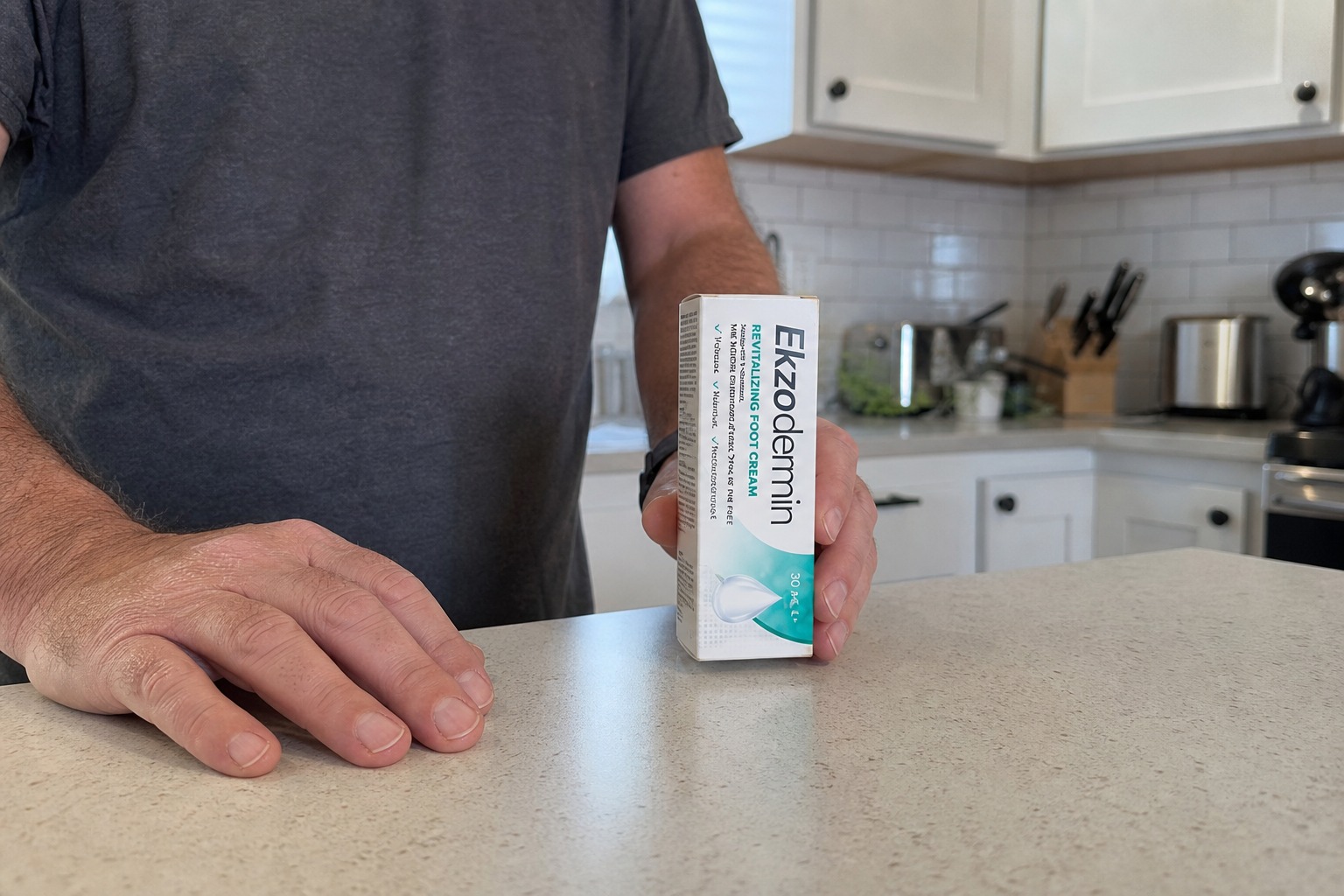
Ekzodermin
Ekzodermin is a topical cream that I tried for irritation, peeling, and itching between my toes. The problem arose after the gym and wearing closed shoes, and I…
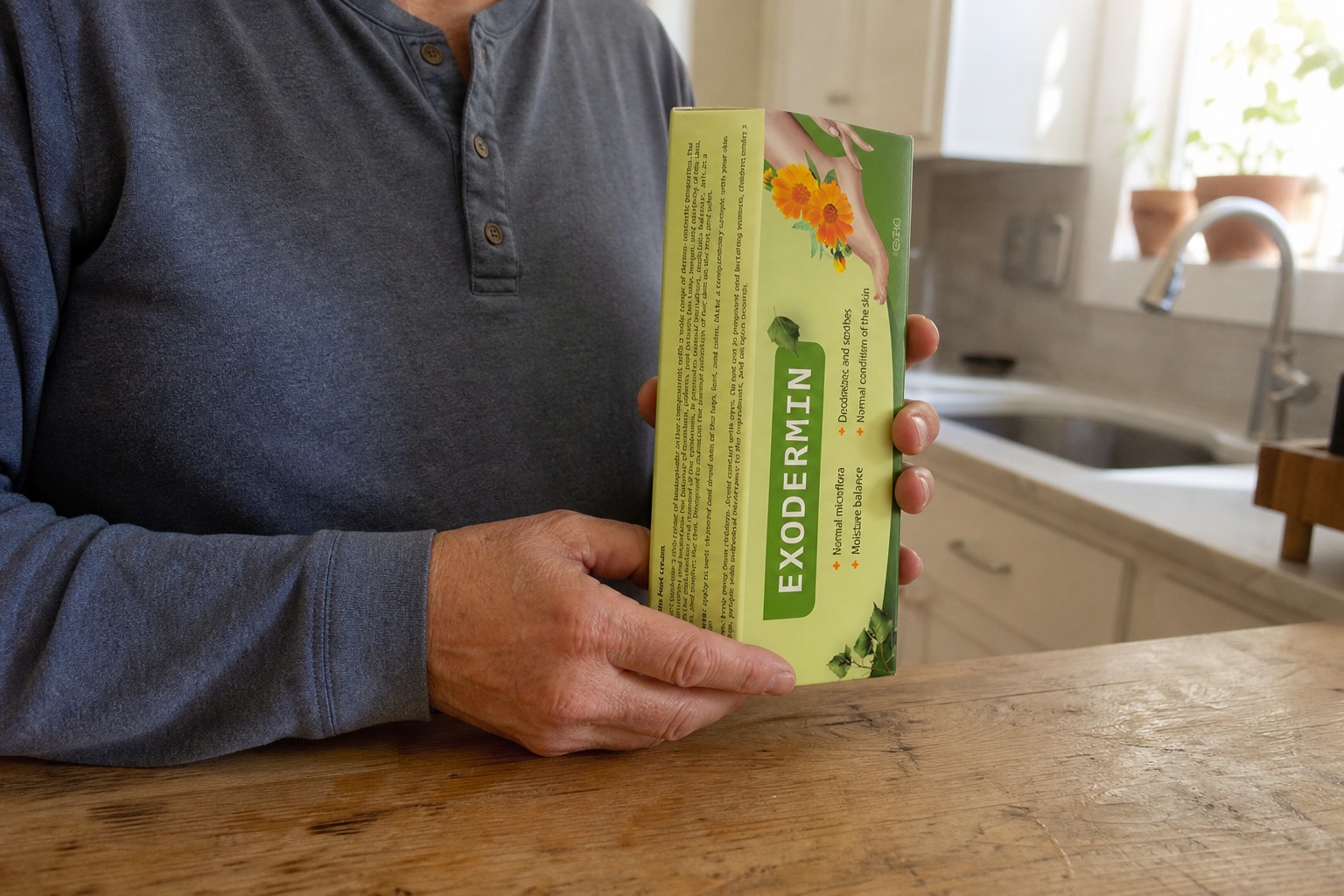
Exodermin
Exodermin is an external cream for foot skin, designed for itching, peeling, bad odor, and discomfort between the toes. I tried it because I had been dealing with…

Reustep
I looked into Reustep because of toenail and nail fungus, as I was searching for a usable solution due to my discolored toenails and the itching between my…
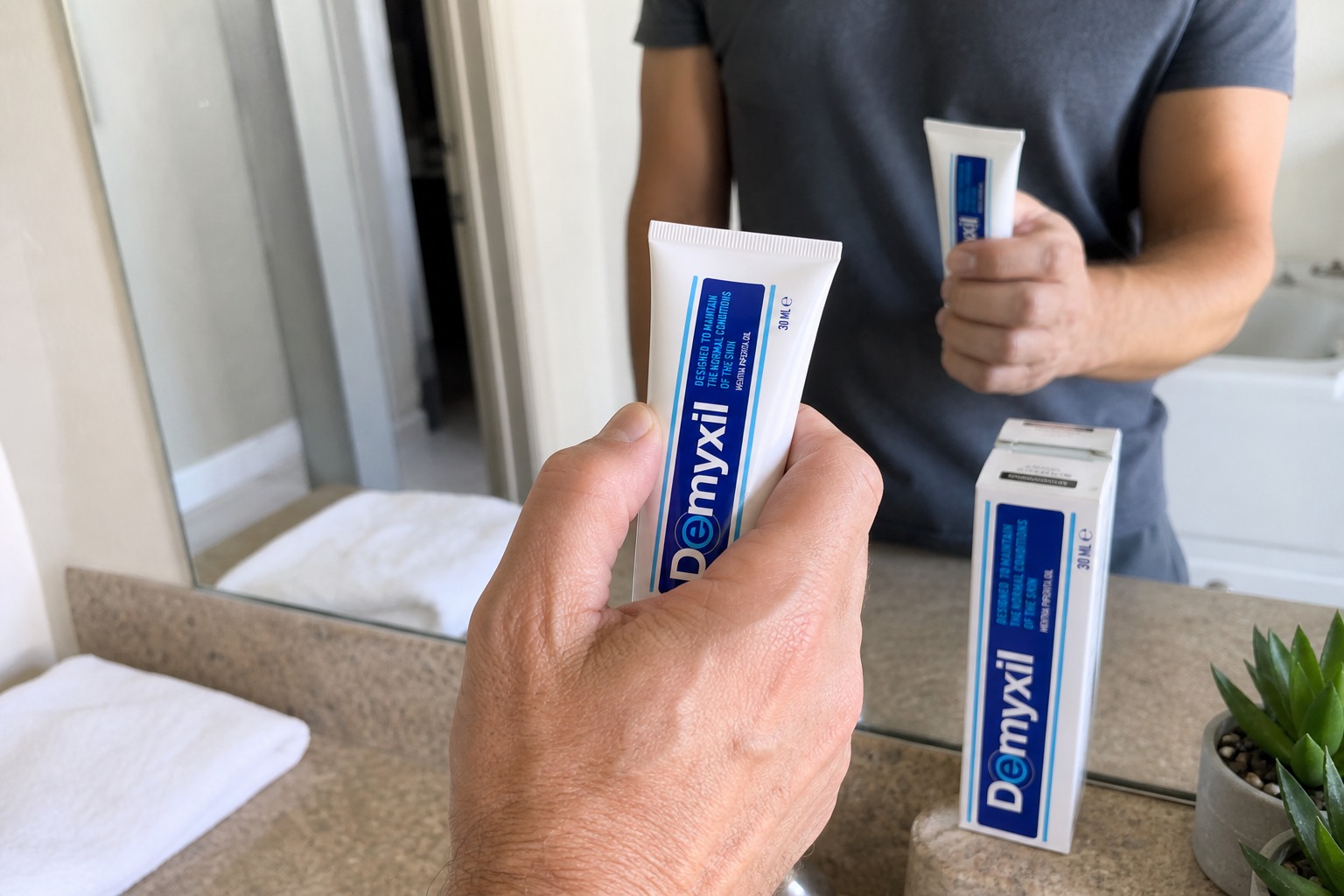
Demyxil
I used Demyxil as a topical cream for the skin on my feet when I experienced itching, burning, peeling, and an unpleasant odor between my toes after many…

Keramin
I looked into Keramin because it is presented as a skin cream for warts and papillomas, and I wanted to see whether it sounded like a sensible option…

Foot Trooper
I tried Foot Trooper because my feet had started itching after long workdays, and one toenail had turned thick and yellow at the edge. It is an aerosol…

Desalix
Desalix is a topical cream with essential oils. I tried it for tightness in my shoulders, forearms, and neck after many hours in front of the computer because…
What reviewers say about Getting rid of foot fungus
| # | Product | Rating | Goal | Evidence |
|---|---|---|---|---|
| 1 | Ekzodermin | ★★★★½ 4.6 | itching on feet | Medium |
| 2 | Exodermin | ★★★★½ 4.6 | itching and bad odor | Medium |
| 3 | Reustep | ★★★★½ 4.5 | relief from nail fungus | Medium |
| 4 | Demyxil | ★★★★½ 4.5 | skin itching | High |
| 5 | Keramin | ★★★★½ 4.4 | wart treatment | Medium |
| 6 | Foot Trooper | ★★★★☆ 4.3 | foot odor and itch | Medium |
| 7 | Desalix | ★★★★☆ 4.1 | muscle tension | Medium |
Skin or nail: decide what you are treating
The first question is not which brand, it is which infection. Athlete’s foot (tinea pedis) shows up as itching, soggy white skin between the toes, or dry scaling along the sole. The CDC classes it as a form of ringworm, and the NHS notes it rarely clears on its own but usually responds to pharmacy antifungals over a few weeks. Nail infection (onychomycosis) is a different job: thickening, crumbling edges, yellow-brown discoloration, sometimes the nail lifting from its bed. The same fungus often causes both, which is why a treated nail is so easy to reinfect from untreated skin.
Not every damaged nail is fungal. Nail psoriasis and old trauma from running or tight shoes can look almost identical, and dermatologists confirm the diagnosis under a microscope before committing anyone to a long course. If you have never had a nail checked and you are about to spend months treating it, a lab test is a reasonable first purchase.
Two habits matter more than the choice of brand. Treat both feet even if only one itches, and keep applying for a week or two after the skin looks clear, because stopping when symptoms stop is the classic route back to the same rash. Shoes and socks hold spores, so a powder or spray for footwear earns its place alongside whatever goes on your skin.
Actives, strengths and formats worth paying for
For skin, the evidence is unusually clear for this corner of the market. The 2007 Cochrane review of topical treatments for fungal infections of the skin and nails of the foot found that terbinafine, an allylamine, was the most effective topical agent for athlete’s foot, with azoles (clotrimazole, miconazole), ciclopirox, butenafine, tolnaftate and undecylenate also producing cures. Its cost note is useful: allylamines cure slightly more infections but cost much more, so starting with an azole or undecylenic acid and moving to terbinafine only if that fails is the more sensible order for most people.
Check strength, not just the name. The FDA’s over-the-counter antifungal monograph, codified as 21 CFR part 333 subpart C, recognizes specific concentrations as generally safe and effective for athlete’s foot, among them clotrimazole 1%, miconazole nitrate 2%, tolnaftate 1% and undecylenic acid with its salts at a total undecylenate concentration of 10 to 25%. Tolnaftate is the only one on that list also cleared for prevention. A product that names an active but hides the percentage, or buries it under a proprietary botanical blend, tells you less than a plain pharmacy tube costing a fraction as much.
Format should follow the target. Creams and gels suit skin, powders and sprays suit shoes and sweaty feet, and solutions, lacquers and brush-on pens are built for nails because they have to sit on the nail plate rather than rub off. Keep nail expectations calibrated to the data: in the 2020 Cochrane review of topical and device-based toenail treatments, prescription efinaconazole 10% reached complete cure in about 16% of patients and ciclopirox 8% lacquer in about 4%, the latter on low-certainty evidence. Over-the-counter nail preparations have thinner evidence still. Filing the nail down first is worth the effort, because a thick nail plate is the main obstacle any topical faces.
Safety, red flags and when to see a doctor
Some feet should not be self-treated at all. If you have diabetes, reduced sensation in your feet, poor circulation or a weakened immune system, take a foot or nail infection to a doctor or podiatrist rather than working through pharmacy products: minor foot problems escalate faster in these groups, and the skin cracks caused by athlete’s foot are an entry point for bacteria. The same applies to children and to anyone pregnant or breastfeeding, where the choice of antifungal is not automatic.
Stop and get medical advice if the area becomes swollen, hot, weeping or painful, if pus or red streaks appear, or if you develop a fever, all of which point to a bacterial infection on top of the fungal one. Book an appointment if a rash keeps spreading despite correct use, if nothing has improved after a few weeks of a skin antifungal, or if a nail keeps deteriorating. A steroid cream used alone on a fungal rash may calm the itch while the infection quietly spreads, so hydrocortisone is not a substitute for an antifungal.
The prescription route has trade-offs of its own. The NHS notes that antifungal tablets for nail infections may be taken for up to six months, that a nail sample and blood tests to check liver function may be needed before and during treatment, and that the tablets are unsuitable for some people with liver or kidney disease. On the topical side, tea tree oil must never be swallowed, and undiluted essential oils can irritate or sensitize skin, so dilute and patch test. Check the label for maximum duration of use, and show your pharmacist your full medication list before starting anything long term.
Frequently Asked Questions about Supplements for Getting rid of foot fungus
Can an over-the-counter product cure toenail fungus?
Sometimes, for mild cases, and rarely quickly. The American Academy of Dermatology's position is that clearing a fungal nail infection takes prescription medication, either applied to the nail or taken as a pill. Even prescription topicals clear the nail completely in only a minority of patients: Cochrane's 2020 review put efinaconazole 10% at about 16% and ciclopirox 8% lacquer at about 4%, the latter on low-certainty evidence. Evidence for over-the-counter nail preparations is weaker still.
They make sense in early-stage or limited infection, on a single mildly affected nail, or as maintenance after a doctor-supervised course. Once half the nail is involved or the infection has reached its base, a shelf product alone is a long shot, and a doctor's assessment is the better spend.
How long before I see a difference?
On skin, a few weeks. The NHS describes pharmacy antifungals for athlete's foot as usually taking a few weeks to work, and packs generally direct continued use after symptoms settle, a step most people skip before wondering why the rash returned.
On nails the timescale is months, and visible change lags behind the treatment, because a damaged nail cannot heal; it can only grow out. Trials of the prescription nail treatments commonly run around 48 weeks of treatment, and some older lacquer studies were shorter. Judge a nail product by whether clear nail is appearing from the base after a couple of months, not by whether the old damaged part looks better.
Does tea tree oil actually work?
There is a little supporting evidence and it is not strong. NIH's NCCIH states that a small amount of evidence suggests topical tea tree oil might be helpful for athlete's foot, while noting that more studies are needed before firm conclusions can be drawn. That is fair grounds to try it, not grounds to choose it over an active with a monograph behind it. On safety: tea tree oil must not be swallowed, and applied neat it can irritate skin or cause allergic contact dermatitis, so dilute and patch test a small area first. Diluted topical use is generally considered safe for most adults.
Do oral supplements clear foot or nail fungus?
There is no reliable evidence that a capsule clears a skin or nail infection caused by dermatophytes, the group of fungi behind both athlete's foot and most nail infections. The medicines shown to work from the inside, terbinafine and itraconazole tablets, are prescription-only and monitored for a reason. Supplements marketed for fungus, whether built on caprylic acid, oregano oil, garlic or probiotics, have not been shown to do that job, and anti-candida diets target a yeast rather than the dermatophytes involved here.
A supplement may still have a place in a wider routine, but it is not the treatment. If you take one alongside prescription antifungals, run it past your pharmacist, since the liver is already being monitored during oral therapy.
Why does it keep coming back?
The NHS says outright that athlete's foot often comes back, and the reasons are ordinary: treatment stopped as soon as the itching did, only the visibly affected foot was treated, or the shoes and socks carrying the fungus went straight back on. An untreated nail also works as a reservoir that keeps reseeding the skin around it. What helps is unglamorous: finish the course on the label rather than the symptom-free course, dry between the toes, rotate shoes so they dry fully, powder the insides, and keep something on your feet in changing rooms and pool areas. If it still returns, ask a doctor to check whether a nail is the source.
Are the reviews on this page real?
Yes. The product reviews come from people who bought and used the products themselves and described how they got on over weeks or months. We keep critical and mixed feedback alongside the positive, because a category where slow progress is normal is exactly the one where only-flattering reviews would mislead.
What a user notices on their own feet is no substitute for published evidence, which we weigh separately, and it cannot diagnose anything. Two people describing the same thick yellow nail may not have the same condition.
How We Evaluate Supplements for Getting rid of foot fungus
Each product in this category has been evaluated according to the following fundamental criteria that make up our final score.
Explore Other Categories
References
- Treatment of Ringworm, including athlete's foot and fungal nail infections - CDC
- Athlete's foot: symptoms, pharmacy treatment and prevention - NHS
- Fungal nail infection: treatment, antifungal tablets and liver monitoring - NHS
- Nail Fungus: Diagnosis and Treatment - American Academy of Dermatology
- Creams, Lotions and Gels (Topical Treatments) for Fungal Infections of the Skin and Nails of the Foot (Crawford & Hollis, 2007) - Cochrane
- Topical and Device-Based Treatments for Fungal Infections of the Toenails (Foley et al., 2020) - Cochrane Database of Systematic Reviews
- Tea Tree Oil: Usefulness and Safety - NIH NCCIH
- Rulemaking History for OTC Topical Antifungal Drug Products - FDA
- Topical Antifungal Drug Products for Over-the-Counter Human Use: permitted actives, concentrations and labeling (21 CFR part 333, subpart C, incl. 333.210 and 333.250) - eCFR
Find the Ideal Supplement for You
Our independent ranking helps you compare the best available supplements. Always remember to consult your doctor before starting any supplement.
View full ranking