Why Trust Our Ranking?
Most people who look at eye health supplements are worried about their vision as they get older, or have been told they have early changes in the macula, the central part of the retina. They want to know whether a daily pill can protect their sight. The honest starting point is narrow but solid: one specific combination, the AREDS2 (Age-Related Eye Disease Study 2) formula studied by the NIH’s National Eye Institute, is the only eye supplement with strong evidence behind it, and even that helps a defined group. In large trials it slowed the progression from intermediate to advanced age-related macular degeneration (AMD) in people who already have intermediate AMD, or late AMD in one eye. It does not prevent AMD in healthy eyes, does not improve normal vision, and is not a treatment for early AMD. Everything sold beyond that formula rests on much weaker data, and this ranking exists to keep that distinction clear.
We rank products on three things: what real users tell us after weeks or months of taking them, how each formula lines up with peer-reviewed research, and how transparent the label is about doses and ingredients. The reviews on this page come from ordinary people who actually bought and used the products, not from brands. We do not get paid to place a product higher, and we flag weak evidence and safety risks as openly as any wins. One point matters above all: a supplement is not an eye exam. These products do not correct nearsightedness or farsightedness, do not replace glasses or contacts, and do not treat cataracts, glaucoma or diabetic eye disease. Those need an optometrist or ophthalmologist. Treat this page as a research starting point, and have any change in your vision checked by an eye-care professional rather than self-treating it.
iibmed may receive a commission if you purchase through our links. This does not affect our scores or ranking positions. Learn more.
The best Getting rid of vision problems according to people who tried them

Ophtalax

O Caps

Oculax

Eyevita Plus

Visitec
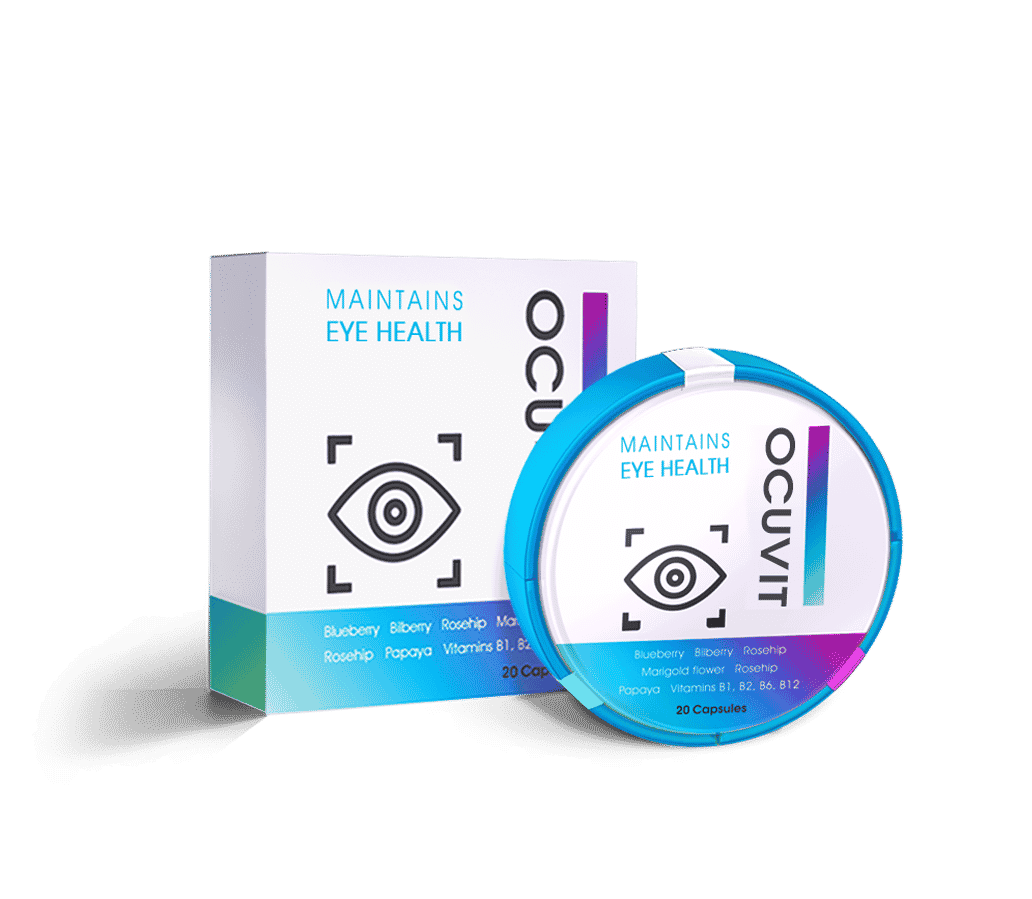
Ocuvit
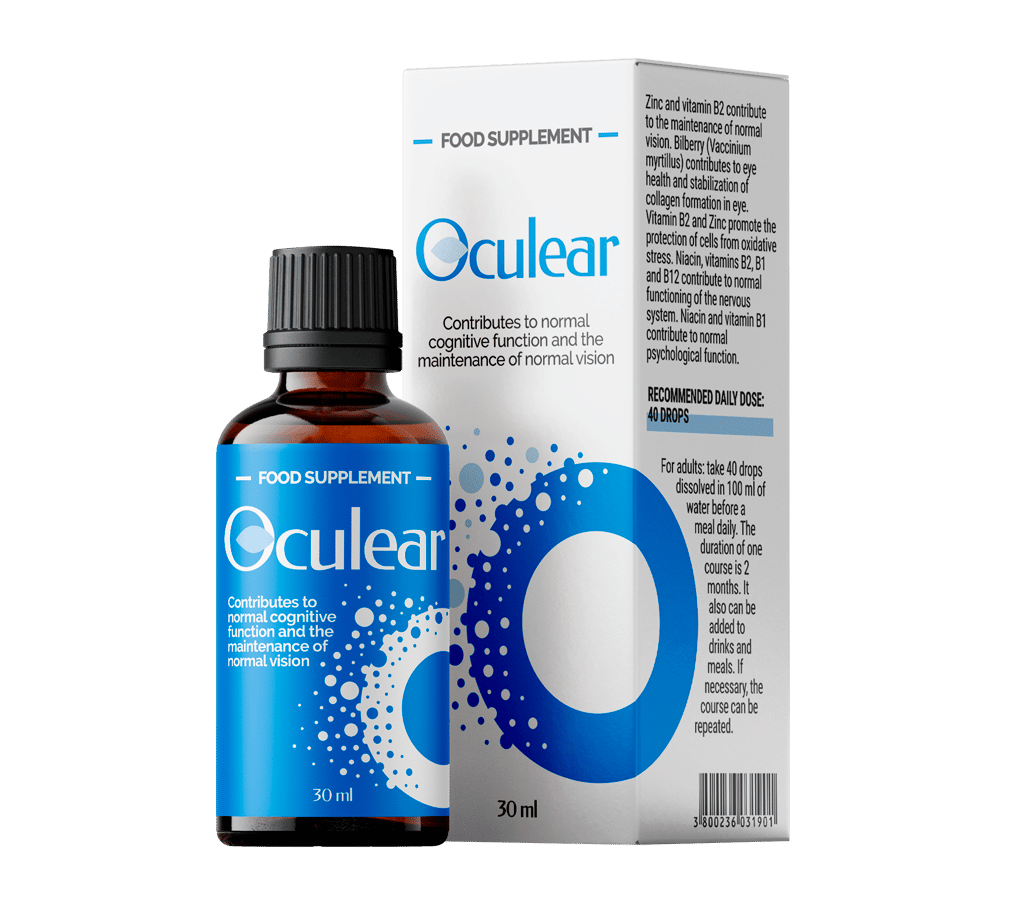
Oculear

Viziton
What reviewers say about Getting rid of vision problems
| # | Product | Rating | Goal | Evidence |
|---|---|---|---|---|
| 1 | Ophtalax | ★★★★½ 4.8 | Medium | |
| 2 | O Caps | ★★★★½ 4.8 | Medium | |
| 3 | Oculax | ★★★★½ 4.7 | Medium | |
| 4 | Eyevita Plus | ★★★★½ 4.6 | Medium | |
| 5 | Visitec | ★★★★½ 4.6 | Medium | |
| 6 | Ocuvit | ★★★★½ 4.4 | Medium | |
| 7 | Oculear | ★★★★☆ 4.2 | Medium | |
| 8 | Viziton | ★★★★☆ 4.1 | Medium |
How to choose an eye health supplement
Before buying anything, get clear on whether a supplement is even meant for you. The one eye formula with strong evidence, AREDS2, was studied in people who already have intermediate AMD or advanced AMD in one eye, and its job is to slow progression, not to prevent the disease or sharpen healthy vision. If you have no diagnosed macular changes, the research does not support taking it, and the right first step is an eye exam, not a bottle. So read the label, not the front of the box, and look for a product that matches the AREDS2 ingredients and doses rather than a long proprietary blend that lists everything as one combined weight.
The studied AREDS2 daily amounts are vitamin C 500 mg, vitamin E 400 IU, lutein 10 mg, zeaxanthin 2 mg, zinc 80 mg and copper 2 mg. Favor a formula that states each of these clearly and stays close to those amounts, rather than one padded with trace herbs and marketing extras. Keep your expectations realistic: even in the right patients the benefit is a slowing of progression measured over years, not a feeling of better eyesight. Match the choice to a diagnosis from your eye doctor, check it against any medication you take, and treat regular eye exams as the non-negotiable part of the plan. The real work of protecting your sight happens in the exam chair, under an ophthalmologist’s care; at best the right formula sits alongside that, never in place of it.
Key ingredients and what the evidence shows
Lutein and zeaxanthin are the carotenoids that concentrate in the macula, and they are the ingredients that replaced beta-carotene in AREDS2. In that trial they were a safe and effective substitute, and people who had the lowest dietary intake of these two carotenoids benefited most. Vitamins C and E and zinc are the antioxidant backbone of the formula; zinc is paired with a small amount of copper because high-dose zinc on its own can cause copper deficiency over time. As a whole package these are the only eye supplement ingredients with strong trial support, and only for slowing AMD progression in people who already have it.
Beta-carotene was in the original AREDS formula but was removed from AREDS2: in trials it more than doubled the risk of lung cancer in people who had ever smoked, which is why current and former smokers should avoid any older formula that still contains it. Omega-3 fatty acids (DHA and EPA) were tested in AREDS2 and added no further benefit for AMD, so the fish-oil versions sold for the eyes are not supported by that trial. Bilberry and other anthocyanins are marketed for “night vision” on very thin evidence, and astaxanthin has only limited data. Outside the AREDS2 combination, the evidence for eye supplements is weak, and a Cochrane review found only low-certainty evidence that lutein and zeaxanthin on their own offer little added benefit for AMD progression.
Safety, red flags and when to see a doctor
With eye supplements, the real danger rarely comes from the pill itself; it comes from reaching for one while a treatable eye condition goes unchecked. Vision problems need to be diagnosed, because a refractive error, a cataract, glaucoma and diabetic retinopathy can all blur or dim sight in ways that feel similar but need very different care, and none of them is treated by a supplement. Some symptoms are urgent and should send you to a doctor the same day, not to a pill: a sudden loss or dimming of vision, new flashes of light or a shower of floaters, straight lines that look wavy or distorted, a curtain or shadow across your sight, or eye pain with redness. People with diabetes should keep up regular retinal screening even when their vision seems fine. Do not wait these out.
On the supplement itself, two cautions stand out. Beta-carotene raises lung cancer risk in anyone who has ever smoked, so smokers and former smokers must avoid older AREDS-style formulas that still include it and choose an AREDS2 formula instead. The zinc dose in these formulas is high, which is why copper is added and why you should not stack a separate zinc supplement on top or combine several eye products at once; high zinc can affect copper levels and interact with some medicines. Show your full list of supplements and prescriptions to your doctor or pharmacist before starting. Above all, keep the roles straight: a capsule can support a diagnosed macula, but it will never read your retina, refract your eyes for the right lenses, or treat a disease that an optometrist or ophthalmologist should be managing.
Frequently Asked Questions about Supplements for Getting rid of vision problems
Do eye health supplements actually work?
One specific formula does, for one specific group. The AREDS2 combination of vitamin C, vitamin E, lutein, zeaxanthin, zinc and copper, studied by the NIH's National Eye Institute, slowed the progression from intermediate to advanced age-related macular degeneration in people who already had intermediate AMD or late AMD in one eye. Beyond that, the evidence is weak: lutein and zeaxanthin on their own show little added benefit, and omega-3 added no benefit in AREDS2. Most eye supplements offer minor support at best, and none restores normal vision.
Can a supplement improve my eyesight or replace glasses?
No. No supplement corrects nearsightedness, farsightedness or astigmatism, and none replaces glasses or contact lenses; blurry vision from a refractive error is fixed with the right prescription, not a pill. Supplements also do not treat cataracts, glaucoma or diabetic eye disease. The one eye formula with strong evidence, AREDS2, slows the progression of advanced AMD in people who already have the condition; it does not sharpen healthy vision. If your sight is blurred or changing, see an optometrist or ophthalmologist for an exam.
What is the AREDS2 formula and who is it for?
AREDS2 is the supplement combination tested in the NIH's Age-Related Eye Disease Study 2: vitamin C 500 mg, vitamin E 400 IU, lutein 10 mg, zeaxanthin 2 mg, zinc 80 mg and copper 2 mg. It is meant for people who already have intermediate AMD, or advanced AMD in one eye, where it slows progression to advanced disease by roughly a quarter. It is not for preventing AMD in healthy eyes, not for early AMD, and not a way to improve normal vision. Whether it fits you is a decision to make with an eye doctor after an exam.
How long before I notice a difference?
You likely will not "notice" anything, and that is normal. The AREDS2 formula does not make vision feel sharper; it slows the progression of AMD over years, a change measured by your eye doctor across regular exams rather than felt day to day. The major trials ran for about five years. So this is a long-term, preventive-of-worsening choice for the right patients, not something you judge by how you feel after a few weeks. If you expected clearer eyesight and do not get it, the formula is working as the science describes, not failing.
Are these supplements safe, especially for smokers?
The AREDS2 formula is generally well tolerated, but a few points matter. Beta-carotene, used in the older AREDS formula, more than doubled lung cancer risk in people who had ever smoked, which is exactly why AREDS2 replaced it with lutein and zeaxanthin; current and former smokers should avoid any formula that still contains beta-carotene. The zinc dose is high, so copper is included to prevent deficiency, and you should not add a separate zinc supplement or combine several eye products. Before starting, give your doctor or pharmacist a full list of your supplements and medicines so interactions can be checked.
Are the reviews on this page real?
Yes. The product reviews come from people who bought and used the supplements themselves and shared their experience over weeks or months. We keep a mix of positive and critical feedback rather than only flattering comments, because that gives a more accurate picture of how a product performs in everyday use. User experience is not a substitute for medical advice or for the published evidence, which we weigh separately, and it cannot diagnose what is causing a change in your vision.
How We Evaluate Supplements for Getting rid of vision problems
Each product in this category has been evaluated according to the following fundamental criteria that make up our final score.
Explore Other Categories
References
- Age-Related Eye Disease Studies (AREDS/AREDS2) - NIH National Eye Institute
- About AREDS and AREDS2 - NIH National Eye Institute
- Lutein + Zeaxanthin and Omega-3 Fatty Acids for Age-Related Macular Degeneration: The AREDS2 Randomized Clinical Trial (JAMA, 2013) - PubMed
- Antioxidant vitamin and mineral supplements for slowing the progression of age-related macular degeneration (Evans & Lawrenson, 2023) - Cochrane Library
- Antioxidant vitamin and mineral supplements for preventing age-related macular degeneration (Evans & Lawrenson, 2017) - Cochrane Library
- Dietary Supplements for Eye Conditions: What the Science Says - NIH NCCIH
- 6 Things To Know About Dietary Supplements for Eye Conditions - NIH NCCIH
- Zinc: Health Professional Fact Sheet - NIH Office of Dietary Supplements
Find the Ideal Supplement for You
Our independent ranking helps you compare the best available supplements. Always remember to consult your doctor before starting any supplement.
View full ranking