Why Trust Our Ranking?
The supplements in this category are taken to lower the chance of another urinary tract infection (UTI), not to clear one you already have. Most people who look at them are women with recurrent cystitis: burning when they urinate, constant urgency, and another course of antibiotics every few months. The usual ingredients are D-mannose, cranberry standardized for proanthocyanidins (PACs) and lactobacillus probiotics, alongside advice to drink more water. An acute infection is a medical problem — it gets diagnosed and treated by a doctor, and no capsule on this page replaces that.
What the better-studied ingredients may do is make infections come back less often, and even there the effects are modest and the evidence is mixed. Cranberry products beat placebo in a 2023 Cochrane review; the largest randomized trial of D-mannose, published in JAMA Internal Medicine in 2024, found no significant benefit; probiotics have not shown a clear preventive effect. Drinking more water is the one measure with a straightforward trial behind it, and it costs nothing.
Some symptoms mean see a doctor rather than reach for a supplement: blood in the urine, fever or chills, pain in the flank or lower back, vomiting, symptoms that do not settle within a couple of days, or a suspected infection in pregnancy. Symptoms in men and in children always need assessment. We rank products on what real users report after weeks or months, how the formula lines up with peer-reviewed research, and how clearly the label states its doses. Nobody pays us to move a product up, and we flag weak evidence as openly as any wins.
iibmed may receive a commission if you purchase through our links. This does not affect our scores or ranking positions. Learn more.
The best Getting rid of cystitis according to people who tried them

Uticarin
I tried Uticarin because I wanted something for recurring mild urinary discomfort that did not mean reaching for antibiotics every time. It is a vegan dietary supplement meant…
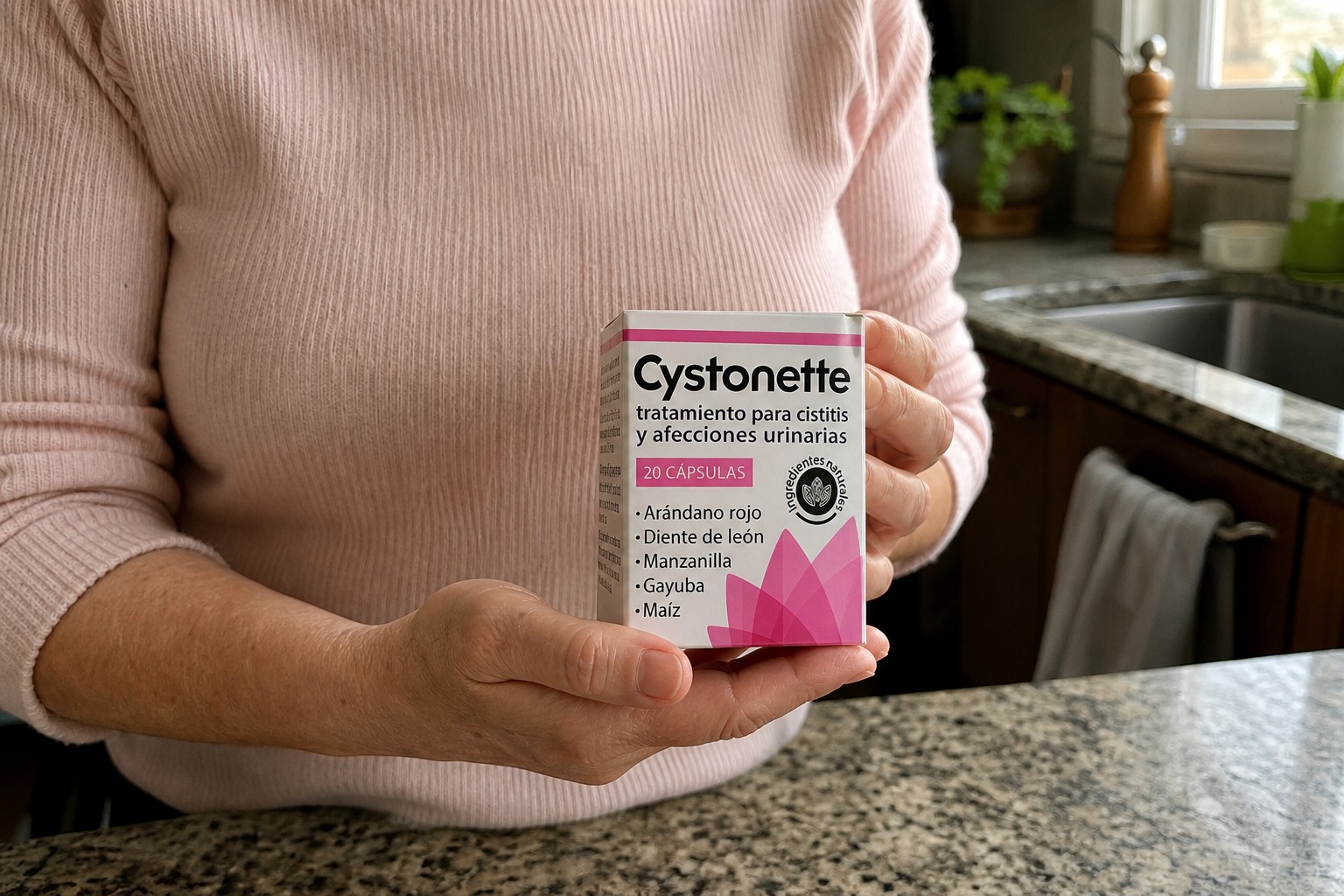
Cystonette
I tried Cystonette because I was tired of recurring cystitis and that irritating bladder sensation that takes over everything. It’s a dietary supplement in capsule form, designed to…

Urfemin
Urfemin is a dietary supplement in capsule form that I tried due to recurring burning during urination and pressure in my lower abdomen. I mainly wanted relief in…

Confitrol24
Confitrol24 is a daily bladder-control supplement in capsule form. I tried it because occasional leaks and that sudden need-to-go feeling had started getting into ordinary days. My main…
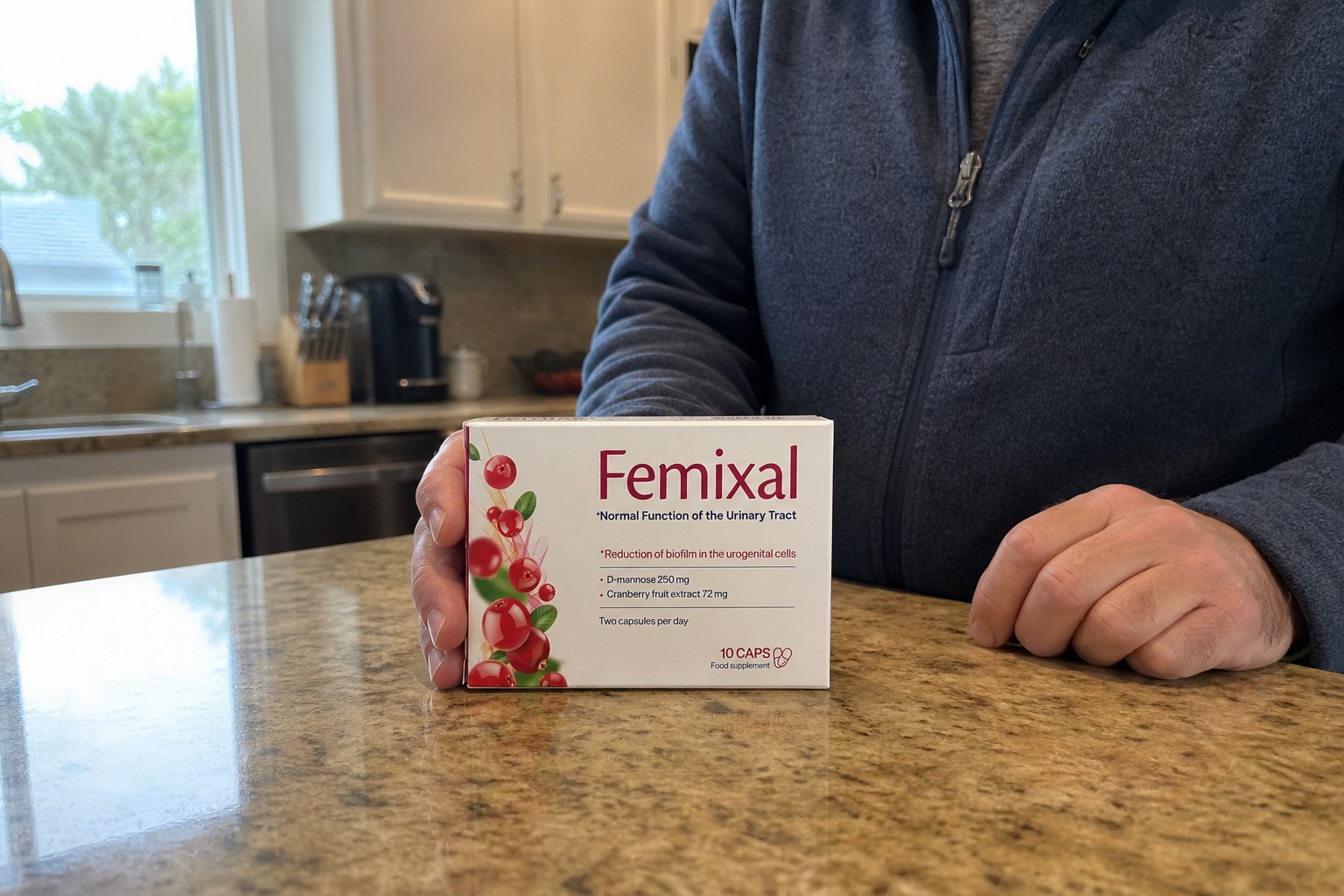
Femixal
I bought Femixal as capsules to support the urinary tract when I repeatedly experienced burning during urination, frequent urges, and pressure in my lower abdomen. I wanted something…

Cystolax
I tried Cystolax as a dietary supplement in capsule form when I experienced mild burning during urination and frequent urges after getting cold and traveling for a long…
What reviewers say about Getting rid of cystitis
| # | Product | Rating | Goal | Evidence |
|---|---|---|---|---|
| 1 | Uticarin | ★★★★½ 4.7 | urinary discomfort | High |
| 2 | Cystonette | ★★★★½ 4.6 | urinary irritations | Medium |
| 3 | Urfemin | ★★★★½ 4.6 | support for urinary tract | Medium |
| 4 | Confitrol24 | ★★★★½ 4.4 | fewer night wake-ups | Medium |
| 5 | Femixal | ★★★★½ 4.4 | urinary issues | Medium |
| 6 | Cystolax | ★★★★☆ 4.3 | soothe urinary tract | Medium |
How to choose a urinary tract supplement
First, be clear what you are dealing with. These products are for prevention between episodes, in people whose recurrent infections have already been diagnosed; if you have symptoms right now, the question is not which supplement to buy but whether you need to be seen and tested. Recurrent UTI also deserves a proper work-up, and guidance such as NICE’s NG112 sets out when to investigate, when to refer and what a clinician can prescribe.
Then read the back of the bottle rather than the front. Look for each active ingredient in milligrams or grams per serving, and treat a proprietary blend listed as one combined weight as a red flag: the studied ingredients may be there in token amounts. For cranberry, extract weight tells you little, because products differ enormously in how much proanthocyanidin they actually deliver, so a stated PAC content is more useful than a big milligram number. In a dosing study in healthy volunteers, cranberry powder supplying 36 mg of PAC produced measurable anti-adhesion activity against E. coli in urine, which makes that figure a reasonable reference point — though it is a laboratory marker, not a proven drop in infections. Give any product a fair window, since prevention trials run for months — judge it on how many infections you had over six months against the six months before that.
Key ingredients, doses and what the evidence shows
D-mannose is a simple sugar thought to stop E. coli sticking to the bladder wall so it is flushed out in urine. Early small studies looked encouraging, which is why the ingredient sells so well. Then the MERIT trial, published in JAMA Internal Medicine in April 2024, gave 598 women with recurrent UTI either 2 g of D-mannose powder a day or placebo for six months. By the end, 51.0% of the D-mannose group and 55.7% of the placebo group had a medically attended UTI — not a statistically significant difference. A 2025 meta-analysis of randomized trials agreed. D-mannose is well tolerated, but the evidence does not support it as a reliable preventive.
Cranberry has the better record. The 2023 Cochrane review pooled 50 studies with around 8,900 participants and found that cranberry products probably reduce repeat symptomatic UTIs in women with recurrent infection, in children, and in people at risk after a urological procedure; NIH’s NCCIH puts the reduction at roughly a quarter. There was no clear benefit for older adults in institutional care, for pregnant women, or for adults with bladder-emptying problems. Since 2020 the FDA has allowed a qualified claim that limited scientific evidence supports 500 mg a day of cranberry dietary supplement in healthy women who have had a UTI. Read that one narrowly: it covers supplements built on cranberry fruit powder, not PAC-standardized extracts, so a 500 mg extract capsule is not the product the claim was written for.
Probiotics, usually oral or vaginal lactobacillus strains, are meant to restore protective flora, but Cochrane’s review of nine trials in 735 people found no significant benefit over placebo, though the trials were few, small and poorly reported. Drinking more water is the outlier: in a 12-month trial, premenopausal women with recurrent cystitis who habitually drank relatively little water added 1.5 L a day and averaged 1.7 episodes instead of 3.2, with about half as many antibiotic courses. It is the cheapest thing on this page.
Safety, interactions and when to see a doctor
These ingredients are generally well tolerated, and the serious risk is rarely the product itself. Cranberry by mouth is considered safe, though large amounts can cause stomach upset and diarrhea. The evidence on whether it interacts with the anticoagulant warfarin is conflicting, so mention it if you take a blood thinner, and remember that juice drinks carry a lot of sugar. D-mannose is a sugar too, bloating and loose stools are the usual complaints, and anyone with diabetes should check with a clinician before taking it daily. Probiotics are uneventful for most healthy adults but need medical advice if your immune system is suppressed.
The bigger risk is what a supplement can hide: reaching for capsules while an infection climbs to the kidneys turns a treatable problem into a hospital admission. Seek care promptly with fever or chills, flank or lower back pain, vomiting, blood in the urine, new confusion in an older relative, symptoms lasting beyond a couple of days, or a suspected UTI in pregnancy. Prevention is also not limited to supplements. NICE’s NG112, updated in December 2024, covers self-care advice alongside prescribed options such as methenamine hippurate and, after the menopause, vaginal estrogen. The European Association of Urology’s guidelines on urological infections devote a revised section to non-antibiotic strategies for recurrent cystitis.
Frequently Asked Questions about Supplements for Getting rid of cystitis
Can these supplements cure a urinary tract infection?
No. Everything here aims to make infections less frequent, not to treat one in progress. An active infection is diagnosed and treated by a doctor, usually with antibiotics, and taking a supplement instead can let a bladder infection reach the kidneys. If you have symptoms now, especially with fever, back or flank pain, vomiting or blood in the urine, or if you are pregnant, get medical care.
Does D-mannose actually prevent recurrent UTIs?
The strongest trial says no. MERIT, published in JAMA Internal Medicine in 2024, randomized 598 women with recurrent UTI to 2 g of D-mannose powder daily or placebo for six months and found no statistically significant difference in medically attended UTIs; a 2025 meta-analysis of the randomized evidence agreed. Earlier, smaller studies were more positive, which is why the ingredient became popular. It is cheap and well tolerated, but do not count on it.
Is cranberry worth taking, and how much?
It has the best evidence in this category, which is not the same as a guarantee. The 2023 Cochrane review of 50 studies found that cranberry products probably reduce repeat symptomatic UTIs in women with recurrent infection and in children, with no clear benefit for care-home residents or pregnant women; NCCIH puts the reduction at around a quarter. The FDA allows a qualified claim based on 500 mg a day, calling the evidence limited, and that claim was written for supplements made from cranberry fruit powder rather than PAC-standardized extracts. For an extract, prefer a product that states its PAC content.
Do probiotics help prevent UTIs?
The evidence does not show a clear benefit. Cochrane’s review of nine randomized trials in 735 participants found no significant advantage over placebo or no treatment, and the studies were few, small and poorly reported, so a modest effect cannot be ruled out either way. Lactobacillus strains are generally safe for healthy adults; if your immune system is compromised, ask your doctor first.
How much water should I drink, and how long before anything helps?
In a 12-month randomized trial, premenopausal women with recurrent cystitis who normally drank relatively little water added 1.5 L a day and averaged 1.7 infections instead of 3.2. That finding applies to people who were drinking too little, not to everyone. On timing, prevention is measured in months: compare six months on a product with the six months before that, and take a persistent pattern to your doctor rather than to another brand.
Are the reviews on this page real?
Yes. The product reviews come from people who bought and used the supplements themselves and shared their experience over weeks or months. We keep critical feedback alongside the positive, because that gives a more accurate picture of everyday use. Personal experience is not a substitute for the published evidence, which we weigh separately, and it cannot tell you what is causing your urinary symptoms.
How We Evaluate Supplements for Getting rid of cystitis
Each product in this category has been evaluated according to the following fundamental criteria that make up our final score.
Explore Other Categories
References
- Cranberries for preventing urinary tract infections (Williams et al., 2023) - Cochrane Library
- Cranberry: Usefulness and Safety - NIH NCCIH
- D-Mannose for Prevention of Recurrent Urinary Tract Infection Among Women: A Randomized Clinical Trial (MERIT, 2024) - JAMA Internal Medicine
- Efficacy of D-mannose as prophylaxis of recurrent urinary tract infection: a systematic review and meta-analysis of randomized controlled trials (2025) - PMC
- Probiotics for preventing urinary tract infections in adults and children (Schwenger et al., 2015) - Cochrane Library
- Effect of Increased Daily Water Intake in Premenopausal Women With Recurrent Urinary Tract Infections: A Randomized Clinical Trial (Hooton et al., 2018) - JAMA Internal Medicine
- Urinary tract infection (recurrent): antimicrobial prescribing, NG112 (updated 2024) - NICE
- EAU Guidelines on Urological Infections (2026) - European Association of Urology
- Dosage effect on uropathogenic Escherichia coli anti-adhesion activity in urine following consumption of cranberry powder (Howell et al., 2010) - BMC Infectious Diseases
Find the Ideal Supplement for You
Our independent ranking helps you compare the best available supplements. Always remember to consult your doctor before starting any supplement.
View full ranking